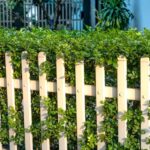
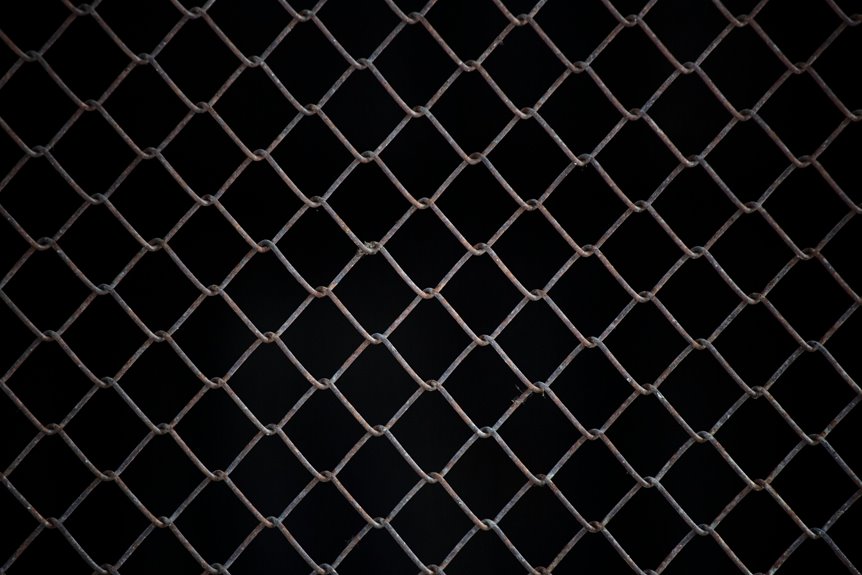
Chain link fence is woven galvanized steel wire—basically twisted into diamond shapes that flex around corners. I’ll be honest: choosing the right one depends on your situation. Got a dry climate? Galvanized steel works great for years without breaking the bank. Live near salt water? Stainless steel or aluminum won’t rust on you. Want it to look nice? Vinyl coatings come in black, green, or brown. Factor in mesh size, wire thickness, and whether you need trenching for security. The details matter more than you’d think.
What Is Chain Link Fence Made Of?
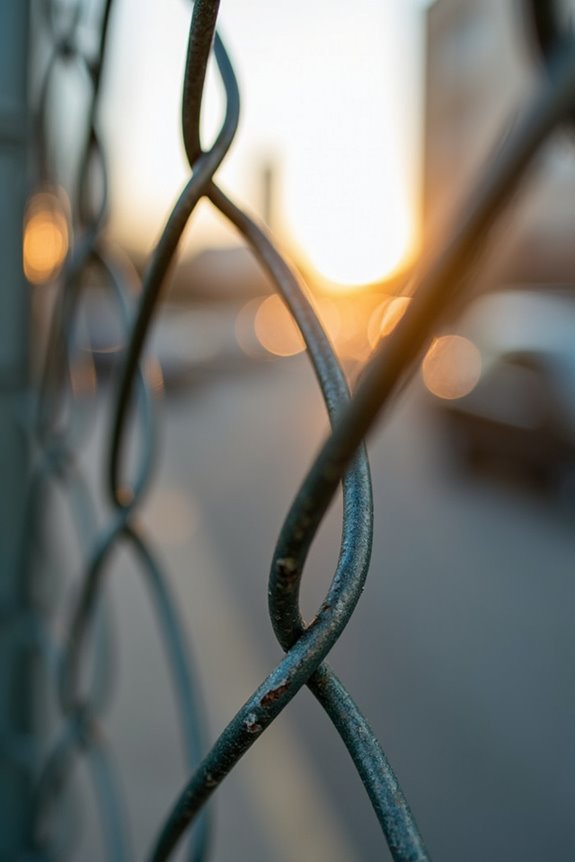
When I first decided to fence in my backyard, I was surprised by how much goes into something that looks so simple. Chain link fencing is made from galvanized steel wire woven into a diamond-shaped pattern. That woven design creates a flexible mesh that can bend around corners and uneven ground—which saved me tons of frustration during installation.
The mesh aperture, or the diamond-shaped opening, typically measures 2 inches by 2 inches. That’s the standard size most of us choose. The galvanized steel coating protects against rust, keeping your fence looking decent for years. You can also add colored PVC or powder coatings in black, green, white, or brown if you want something beyond that classic metallic look.
Comparing Materials: Cost, Durability, and Climate Fit
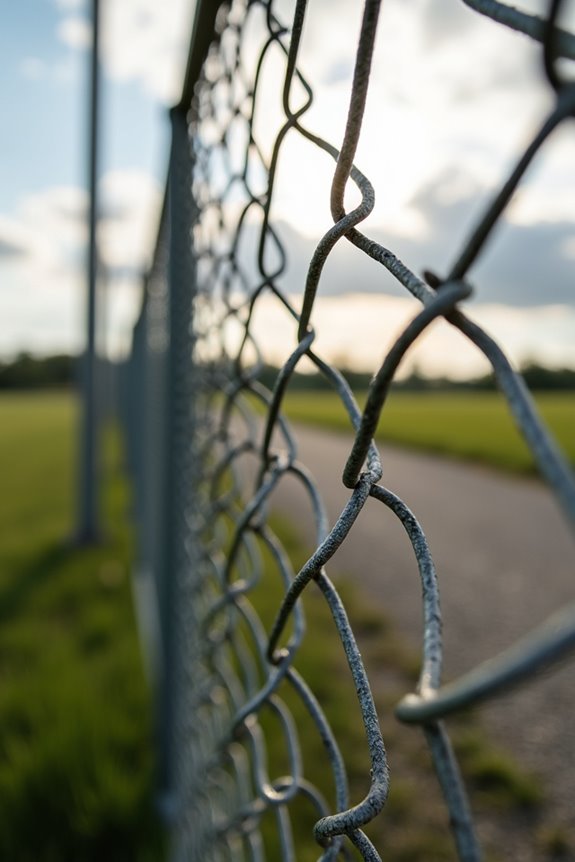
When I was picking a fence for my coastal home, I quickly realized that the cheapest galvanized option wouldn’t cut it—the salt air would’ve eaten through it like nobody’s business. I learned that matching your material choice to where you actually live makes a real difference: galvanized steel works great in dry climates and keeps costs down, but if you’re near the ocean or in a humid area, you’ll want to spend extra on color-coated or premium metallic finishes to avoid rust creeping in after just a few years. Your gauge choice matters too—thicker mesh (like 11–9 gauge) costs more upfront but saves you money later because you won’t be replacing it every time the weather turns nasty.
Galvanized Steel Performance
Galvanized steel’s the workhorse of chain link fencing, and honestly, it’s earned that reputation. I’ve watched these fences stand up to years of weather, and the zinc coating really does its job protecting against rust. In dry climates, you’re looking at a solid 10–20 years of reliable performance with minimal fuss. The corrosion resistance isn’t quite stainless steel level, but here’s the thing—you’re saving serious money upfront. I’ve installed plenty in humid areas too, and they hold their own better than plain steel ever could. Sure, coastal environments demand stainless for maximum protection, but galvanized gives you solid longevity without breaking the bank. Pair it with proper maintenance, and you’ve got yourself a dependable fence that won’t leave you regretting the choice.
Climate-Specific Material Selection
How do you pick the right fence material when you live somewhere with salt spray, intense sun, or brutal freeze-thaw cycles? I’ve learned this matters more than you’d think. Galvanized steel works fine for mild climates, but coastal areas demand stainless steel or aluminum for real corrosion resistance. I went the cheap route once—regretted it. If intense sun bakes your yard, a PVC coating shields against UV damage and rust. Cold regions? Go heavier. Thicker gauge posts and Schedule 40 hardware prevent that annoying shifting through winter. Yes, upgraded materials cost more upfront. But I’ve watched neighbors replace fences every five years while mine still stands. Pick right for your climate, and you’ll thank yourself later.
Galvanized Steel: The Affordable Standard
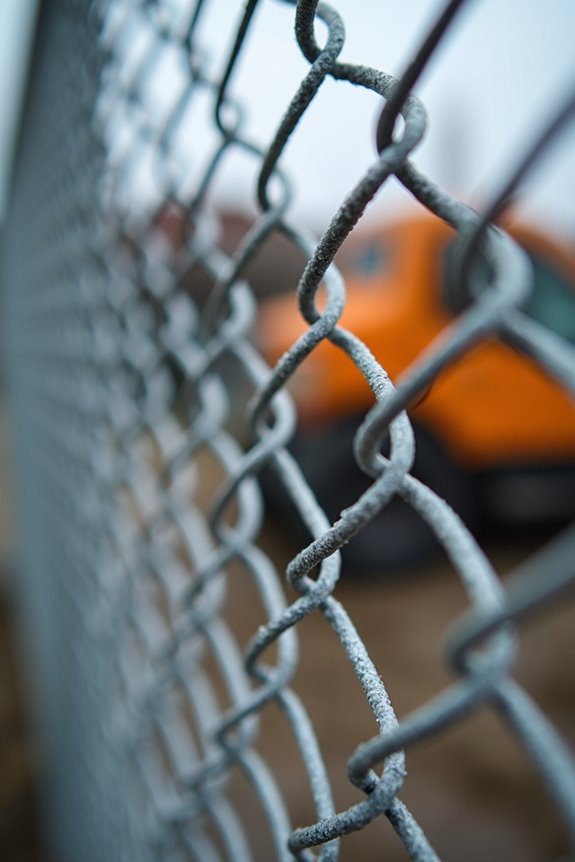
Why do most folks reach for galvanized steel when they’re shopping for chain link fencing? I’ll be honest—it’s because it just works. The zinc coating gives you solid corrosion resistance without breaking the bank. I’ve watched my neighbor’s galvanized fence survive three brutal winters, and it barely showed wear.
Here’s what makes it the go-to choice: the galvanization process actually stops rust before it starts. You get durability that handles rain, snow, and salt spray. Plus, these components are everywhere. Posts, rails, fittings—you’ll find them at any supply store without hunting around.
You can even dress it up with PVC coatings or powder finishes if plain silver doesn’t match your style. It’s the reliable friend who shows up and does exactly what you need.
Vinyl-Coated Chain Link for Color and UV Protection
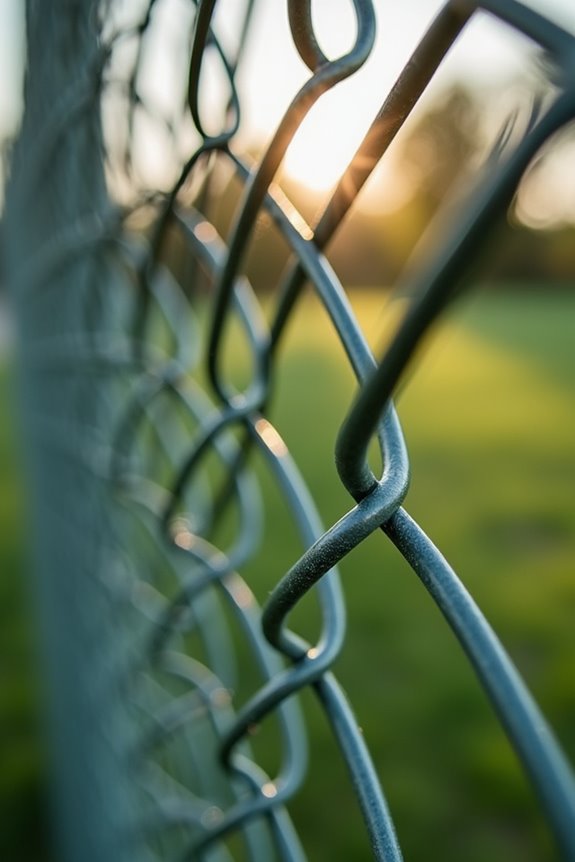
If you want your chain link fence to actually look good while standing up to the sun’s harsh rays, vinyl-coated options give you that extra layer of protection—I’ve seen plain galvanized fences fade and rust faster than I expected in my own yard. You’ll find colors like black, green, and brown that won’t bleach out over time thanks to UV-stable formulations, which means less maintenance headaches for you down the road. The smooth vinyl coating not only helps your fence blend in with your landscaping but also shields the steel underneath from corrosion, especially if you’re dealing with tough weather conditions.
Vinyl Coating Benefits and Durability
Vinyl-coated chain link fencing gives you something that plain galvanized steel can’t: genuine color choices and real protection against the sun’s relentless fading. I’ve watched uncoated fences turn dingy gray in just a few years, so I know the vinyl coating difference matters.
Here’s what you’re really getting:
- Color options (black, green, brown) that actually stick around thanks to UV stability
- Extra rust protection that extends your fence’s lifespan in harsh weather
- Smoother finish that doesn’t trap dirt like bare mesh does
- Easy maintenance requiring just soap and water instead of scrubbing
The vinyl layer acts like sunscreen for your fence. You’ll spend less time cleaning and more time enjoying your yard. Plus, these coated fabrics work with your existing posts and fittings, so upgrading’s totally doable.
Color Options and UV Stability
When you’re standing in your yard imagining what color fence would look best, you’ve got real choices now—and that’s essentially exciting compared to the dull gray you’d be stuck with using plain galvanized steel. I discovered that color coating options include black, green, and brown, which blend beautifully with most landscapes. Here’s what sold me: the UV stability built into these coatings. Without it, I’d watch my fence fade and crack within a few years. UV stability protects against sun damage, keeping your fence looking fresh longer. The color coating also provides smoother finishes and rust protection—two bonuses I didn’t expect. You’re essentially getting a fence that looks good and lasts, which honestly feels like winning the backyard lottery.
Aluminum and Stainless Steel: Premium Options
Why do some folks choose aluminum or stainless steel for their chain link fences? I’ve found these premium metals offer real advantages that regular galvanized steel can’t match.
Premium metals like aluminum and stainless steel outperform galvanized steel with superior corrosion resistance and durability.
Here’s what makes them stand out:
- Lighter weight – You’ll handle them easier during installation, trust me
- Superior corrosion resistance – Especially crucial near coastal areas or harsh climates
- Custom color options – PVC and powder coatings let you match your home’s vibe
- Low maintenance demands – Less fussing over rust and upkeep
Yes, you’ll pay more upfront. I’ll be honest about that. But aluminum and stainless steel deliver durability that lasts decades. If you’re planning to stay put or want peace of mind, these materials reward your investment with reliability. They’re the choice when you want something built to last.
Wire Gauge and Mesh Size: What Affects Security and Price
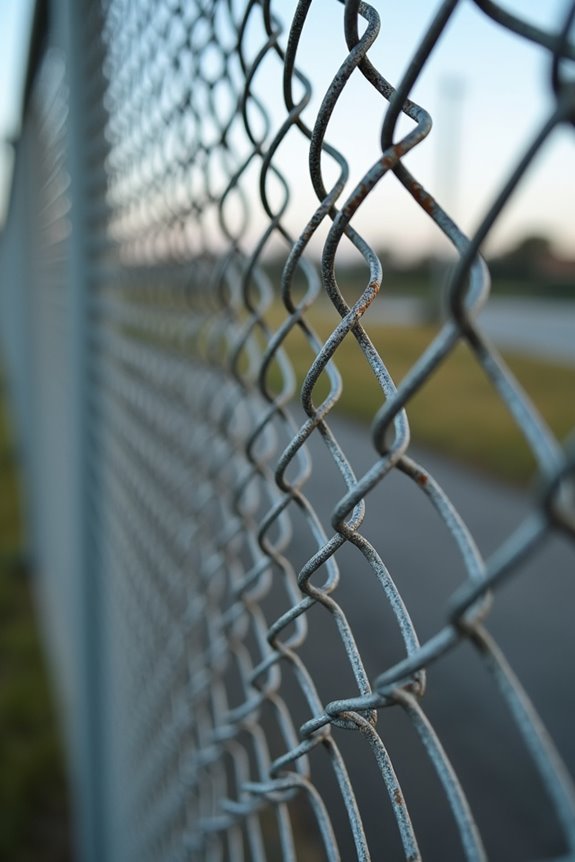
Now that you’ve picked your metal, here’s where things get really interesting—the wire gauge and mesh size are basically the skeleton of your fence’s security and your budget.
Here’s the deal: smaller mesh means better security but heavier material. I’ve learned that ⅝-inch mesh stops more troublemakers than standard 2-inch mesh, though it’ll cost you more. Thicker wire gauge adds strength too. You’re looking at a trade-off between protection and price.
Standard 2-inch mesh works fine for most backyards. Want serious security? Go smaller—1 ¼-inch or ⅝-inch mesh. Just know stronger supporting structures handle increased tension better, bumping up installation costs.
Finding your sweet spot means balancing what you actually need with what you’re willing to spend. That’s smart fencing.
How Aperture Size Changes Fence Performance
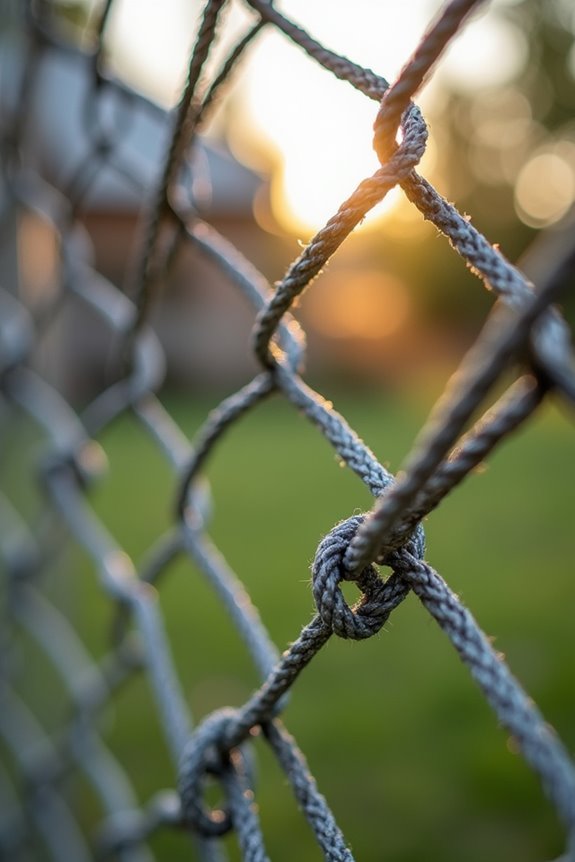
Ever notice how the diamond-shaped openings in chain link fencing actually make a huge difference in what your fence can do?
I learned this the hard way. The aperture size—those diamond patterns—directly impacts your fence’s security and performance. Here’s what I discovered:
- Smaller apertures (½ inch to 1 ¼ inch) boost security but add weight
- Standard 2-inch openings balance cost with decent protection
- Larger mesh (2 ⅜ inch) cuts expenses but reduces climbing resistance
- Stronger posts support tighter apertures better against wind
I’ll be honest: choosing the right aperture size isn’t just about picking what looks good. You’re balancing security needs against material costs and whether your posts can handle the extra weight. Smaller openings give you better protection, but they demand sturdier supporting structures. It’s like picking the right tool for your specific job.
Post Materials and Installation Methods
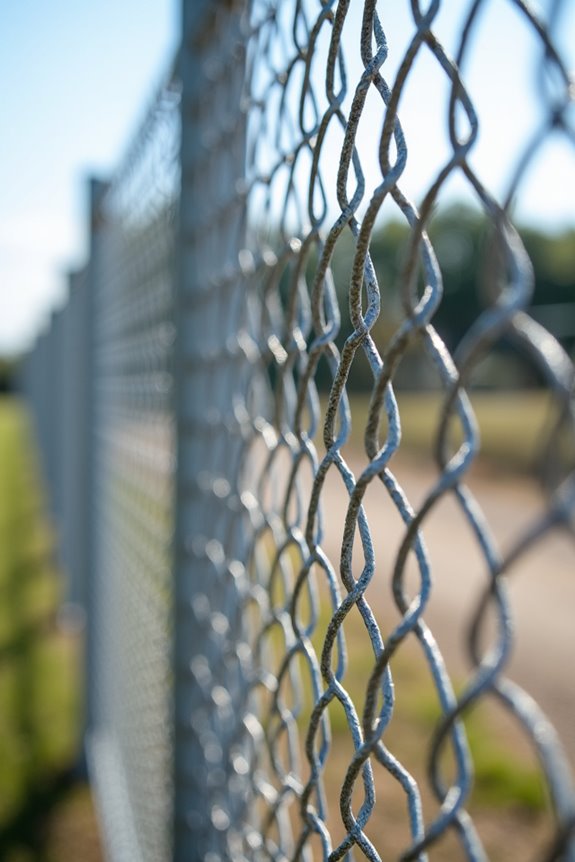
Now that we’ve covered how mesh size affects performance, I’ve learned that what holds your fence up matters just as much as what fills it—the posts are basically your fence’s skeleton. You’ll typically work with steel or galvanized steel posts that either get cemented into the ground, driven in with a post-pounder, or mounted with base plates and anchors, depending on whether you want something permanent or flexible. I’ll walk you through the different post types and which installation method actually makes sense for your specific situation, because honestly, I’ve seen folks pick the wrong combo and regret it later.
Post Types and Specifications
What actually holds up your entire chain link fence? The posts do—and they’re way more important than most folks realize.
I’ve learned that choosing the right posts makes all the difference between a fence that lasts decades and one that disappoints you in a few years. Here’s what you need to know:
- Galvanized steel posts resist rust and work great in most climates
- Diameter options (typically 1⅜ to 2⅜ inches) match your mesh size and gauge
- Concrete footings provide the strongest, most permanent installation
- Gate posts need reinforcement to handle hinges and latches without sagging
I’ll admit—I underestimated post quality on my first fence. Don’t make my mistake. Match your posts to your climate and installation method, and you’re setting yourself up for success.
Installation Techniques and Methods
When you’re ready to actually put posts in the ground, the material you choose and how you install it’ll make or break your fence’s future. I’ve learned this the hard way after watching a neighbor’s fence lean like the Tower of Pisa.
Your installation methods depend on what works for your space. You’ve got three solid options: concrete bases for permanent installations, post-pounders for quick jobs, or surface mounting with base plates when you need flexibility.
| Post Material | Best For | Durability | Cost |
|---|---|---|---|
| Galvanized Steel | Most situations | Excellent | Moderate |
| Aluminum | Coastal areas | Very good | Higher |
| Vinyl-coated | High corrosion zones | Outstanding | Premium |
The post materials you select determine everything. Heavier gauges like Schedule 40 give you serious strength. Lighter 18-gauge works fine for general use. I’d pick based on your climate and how long you want that fence standing.
Fittings and Connection Strength Explained
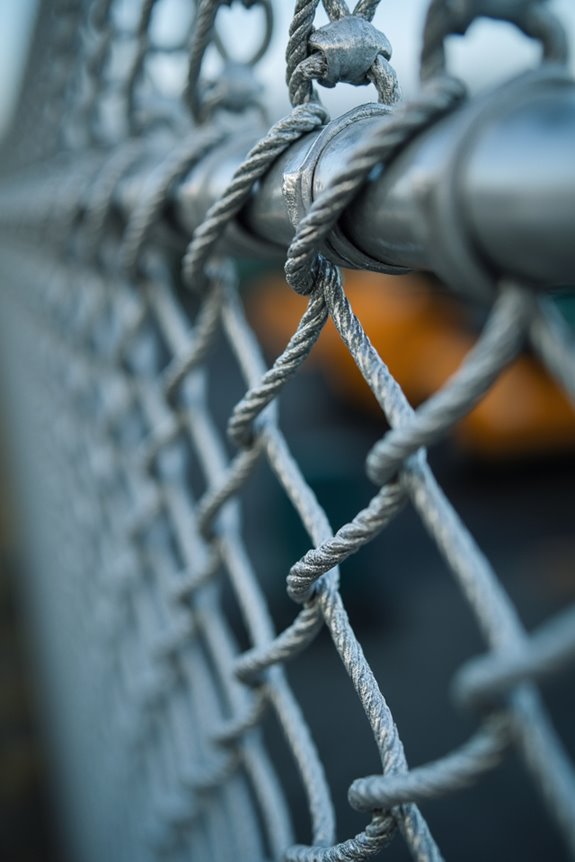
The fittings holding your chain link fence together are kind of like the joints in your body—they’re small, easy to overlook, but absolutely critical to how everything functions.
I’ve learned that connection strength depends on choosing the right fittings for your specific setup. Most installations use bolted connections, though I recommend welded steel fittings if you need serious security. Here’s what matters:
- Match your fittings to your pipe size – standard fittings vary by gauge and fence height
- Consider your climate – galvanized coatings work great in most areas, but stainless steel lasts longer near salt water
- Pick gate hardware carefully – hinges and latches must match your top rail size
- Get professional advice – suppliers help ensure compatibility with your mesh and installation method
Trust me, spending time on fittings now saves headaches later.
Matching Climate, Coating, and Longevity
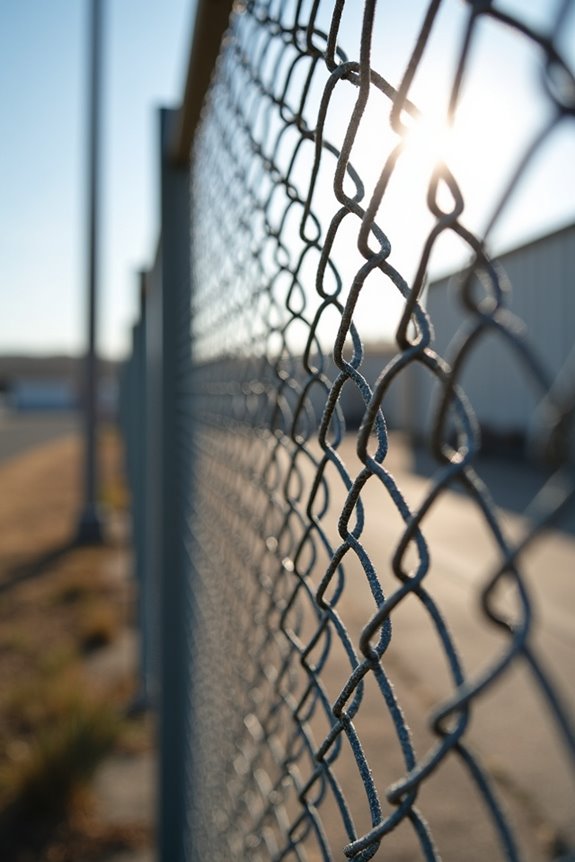
Your fence’s coating is honestly the unsung hero of the whole setup—it’s what stands between your shiny metal and a rusty mess. I’ve learned this the hard way after watching a neighbor skip coating upgrades and regret it within two years.
Your climate matters hugely. In salty or humid areas, I’d grab galvanized or Galfan coatings for serious corrosion resistance. Sunny regions? Vinyl coatings in green or brown won’t fade and look sharp. For harsher conditions, thicker gauges handle wind loads better too.
Here’s the thing: stainless steel costs more upfront, but it laughs at rust. Standard galvanized is the smart middle ground for most of us. Match your coating to your weather, and you’re basically future-proofing your investment. That’s peace of mind worth having.
Barbed Wire and Trenching: Security Add-Ons Worth the Cost
I’ve found that adding barbed wire to your chain link fence—whether you choose coiled razor wire or traditional barbs spaced every few feet—really does make climbers think twice, and I’ll walk you through the installation methods that actually work without requiring a PhD in fencing. Trenching is where the magic happens though; burying your mesh 6 to 12 inches deep stops diggers cold, and combining that with your barbed top creates a two-layer defense that honestly feels like overkill until you realize how much peace of mind it buys you. I’ll help you figure out if these upgrades make financial sense for your situation and which materials (hint: stainless steel beats plain steel every time) won’t rust into uselessness after one harsh winter.
Barbed Wire Installation Methods
How much more secure can you make your chain link fence without replacing the whole thing? I’ve found that adding barbed wire transforms your fence dramatically. You’re essentially upgrading security while keeping your existing chain link fence intact.
Installation methods I’ve discovered work best:
- Single or multiple horizontal strands mounted above the fence line for maximum deterrence
- Vertical support posts spaced strategically to maintain proper wire tension
- Trenching around your perimeter to prevent tunneling underneath
- Concrete footers combined with buried mesh for complete bottom protection
Honestly, the installation looks intimidating at first. But I’ve learned it’s manageable with basic tools and patience. The key is maintaining consistent tension across all strands. Yes, costs run higher, and you’ll need drainage planning. Still, the security boost makes it worth considering for anyone serious about protecting their property.
Trenching Security Benefits
When I first considered trenching around my fence line, I’ll admit I thought it seemed like overkill—until I realized how easy it actually is for someone to slip under a chain link fence that’s just sitting on the ground.
Trenching security works by burying your chain link mesh 12–24 inches below grade, depending on soil conditions and local codes. This simple step eliminates the gap intruders exploit most. I’ve learned that combining trenching with continuous bottom fencing and proper backfill creates serious protection.
| Security Layer | Depth | Cost Impact | Effectiveness |
|---|---|---|---|
| Ground-level fence | 0 inches | Low | Vulnerable |
| Basic trenching | 12 inches | Moderate | Good |
| Deep trenching | 24 inches | Higher | Excellent |
| Trenching + barbed wire | 24 inches | Premium | Maximum |
Yes, trenching requires drainage planning, especially in wet climates. But the peace of mind? Honestly worth it.
Cost-Effectiveness Analysis
So here’s what I learned the hard way: you don’t always need the most expensive fence upgrade to get serious security.
I discovered that combining barbed wire with trenching gives you more bang for your buck than just upgrading your mesh. Here’s why I’m convinced this combo works:
- Barbed wire adds a strong deterrent layer without replacing your entire fence
- Trenching stops intruders from digging under—a vulnerability I didn’t consider initially
- Together, they cost less than upgrading to heavier mesh alone
- You’re investing in proven security methods that actually discourage trespassers
Now, I’ll admit rocky soil nearly doubled my trenching costs. But in most situations? This pairing delivers solid protection without breaking the bank. You’re joining the smart fence owners who know effective security doesn’t mean spending the most.
Height Flexibility and Customization Options
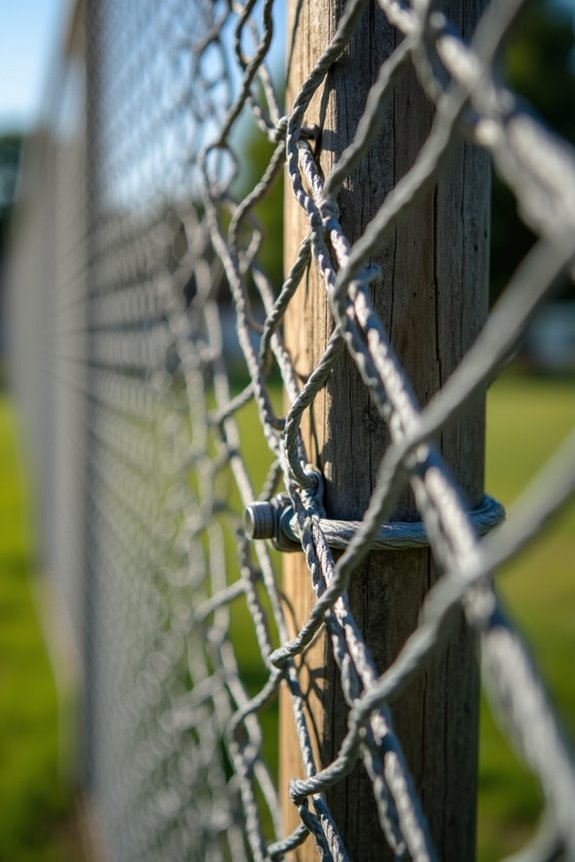
Ever wonder why some chain link fences tower over your head while others barely reach your waist?
I’ve learned that fence height is one of your most powerful customization tools. You can choose anything from 3 feet up to 12 feet or more, depending on what you’re protecting and your space. I started with a modest 4-footer, then realized I needed taller protection later—wish I’d planned better upfront.
For really tall installations, you’ll stack mesh sections together to reach your desired height. Here’s the thing though: taller fences demand stronger support structures and heavier gauge tubing to stay stable and secure. Your installation method matters too. Concrete bases work best for taller builds, while surface mounting suits shorter ones. Think about your actual needs before ordering. Getting this right means your fence lasts longer and does its job properly.
How to Select Materials Based on Use Case
What’s your fence actually protecting?
That question drove my material choice. I learned the hard way that picking the wrong fence costs you later. Here’s what I discovered works:
- Galvanized steel for dry climates—it’s tough, affordable, and needs minimal fussing
- Stainless steel or aluminum when you’re battling harsh weather and salt air
- Vinyl or color coatings (green, black, brown) if you want your fence looking fresh for years
- Heavier gauges (15–18 gauge) for commercial spaces where security matters
I started with lightweight fencing and regretted it. The corrosion resistance you get from metallic coatings means fewer repairs down the road. Think about what your fence faces daily—wind, moisture, rust threats. Match your material to that reality, and you’ll join the folks who actually enjoy their fences instead of constantly fixing them.
Budget Planning: Material and Component Pricing
Now that you’ve picked materials that’ll actually survive your climate, let’s talk about what this fence’ll actually cost you. I learned the hard way that prices swing wildly depending on what you choose.
| Component | Budget | Mid-Range | Premium |
|---|---|---|---|
| Galvanized steel (per linear foot) | $3–5 | $6–8 | $10+ |
| Mesh size (2×2 inch vs. mini mesh) | $2 cheaper | Standard | $3–4 more |
| Posts and hardware | $40–60 each | $70–90 | $120+ |
| Installation labor | $5–8/ft | $10–15/ft | $18+/ft |
| Gate options | $150–300 | $400–600 | $1,000+ |
Honestly? I underestimated accessory costs initially. Concrete bases, post-pounding, and gates add up faster than you’d think. Start by calculating your linear footage, then factor in your mesh size choice and finish type. You’ll get a realistic picture quick.