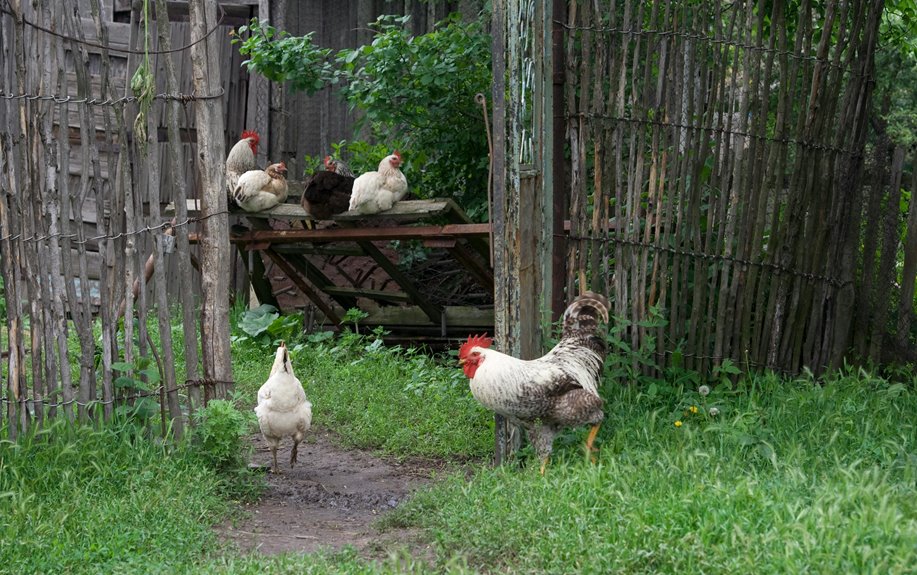
Before you bring home those fluffy chicks, I’d call your local planning office—trust me, skipping this step costs money later. Check if your city allows chickens, how many you can keep, and whether roosters are banned. Don’t forget your HOA rules; they sometimes override city permits entirely. You’ll likely need a permit and might face setback requirements from property lines. Once you’ve got the legal green light, you’re ready to explore coop setup, breed selection, and keeping your flock healthy and your neighbors happy.
Confirm Backyard Chickens Are Legal in Your Area
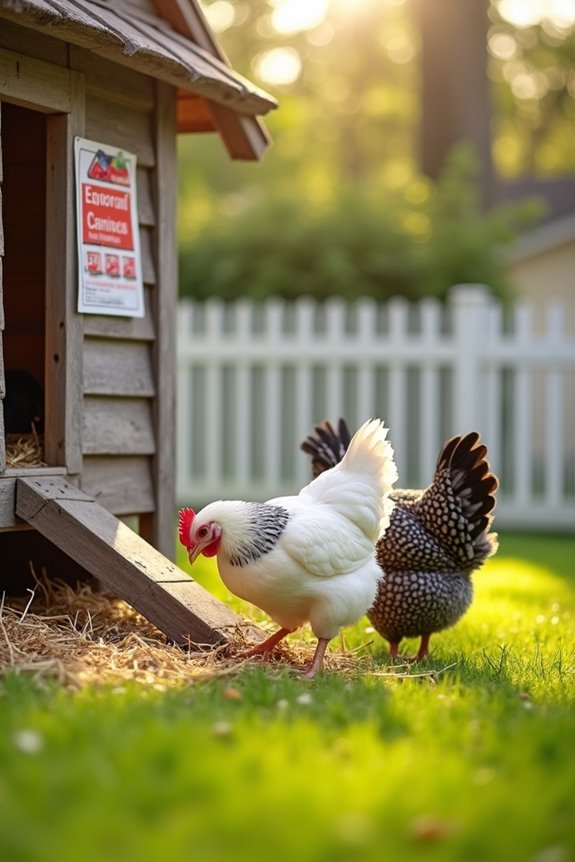
Before you bring home your first chick, here’s the reality check nobody wants to do but everyone needs to: you’ve got to figure out if chickens are even allowed where you live. I learned this the hard way after dreaming about fresh eggs for months. Your local laws are the foundation everything else builds on. Start by checking your city or county’s zoning ordinance—it’s usually online. Call your local planning department if you get stuck; they’re surprisingly helpful. You’ll discover allowed flock sizes, coop requirements, and whether roosters are permitted. Don’t skip your HOA rules either; they sometimes impose stricter limits than municipal codes. This upfront legwork saves you headaches and potential fines later.
Contact Your Local Planning or Zoning Office
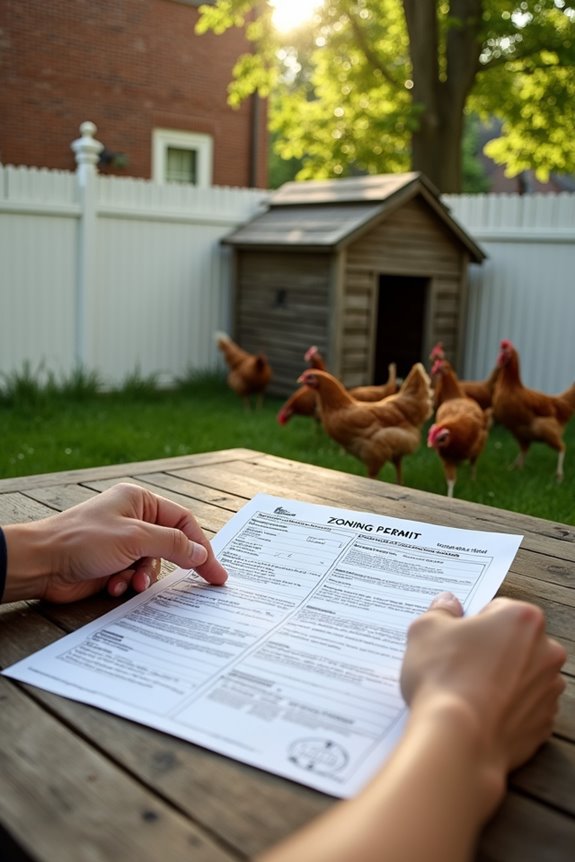
How do you actually find out what the rules are? I called my local planning office feeling a bit nervous—honestly, I wasn’t sure they’d even take me seriously. But here’s the thing: they’re used to this question, and they’ll help you navigate local zoning laws.
When you contact them, ask for:
- The exact chicken ordinance or code section for your area
- Flock size limits and coop design standards
- Setback requirements from property lines
- Whether roosters are allowed and permit requirements
I learned that my city required a site plan before I could build anything. Getting these specifics upfront saved me from costly mistakes later. Don’t be shy—these offices exist to help residents like us understand what’s possible in our own backyards.
Check Homeowners Association Rules
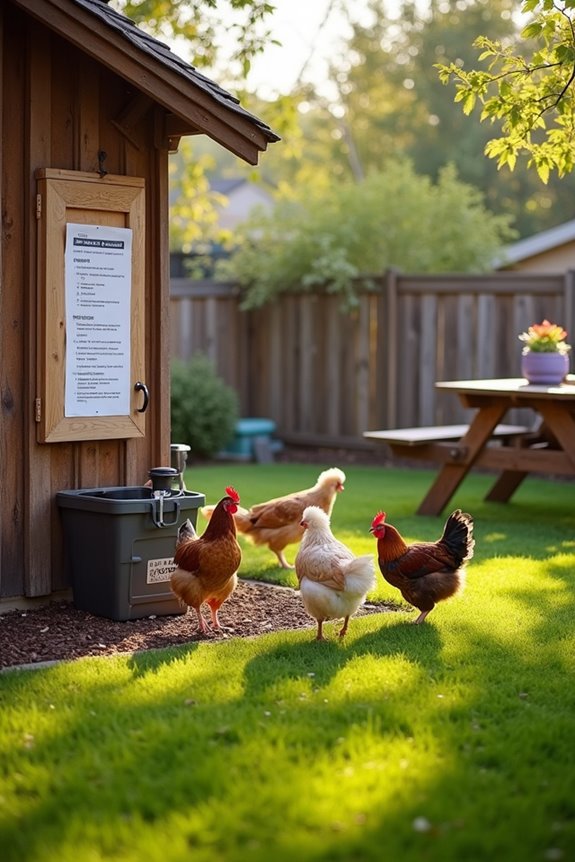
If you’ve got an HOA, this step might actually matter more than your city’s rules—and I didn’t realize that until I was halfway through my coop plans.
Pull out your HOA documents and search for anything about chickens, coops, or livestock. Look for specifics: Are roosters banned? What’s the maximum flock size? Do you need approval before building?
Check setback requirements too. Your coop might need to sit a certain distance from property lines or neighbors’ homes. Some HOAs care about visual appearance, so they might require specific materials or colors.
If you find conflicts between HOA rules and local zoning, don’t panic. Request a formal variance from your HOA board. They’re usually more flexible than you’d think when you ask nicely and explain your plans clearly.
Find Out If You Need a Permit or License
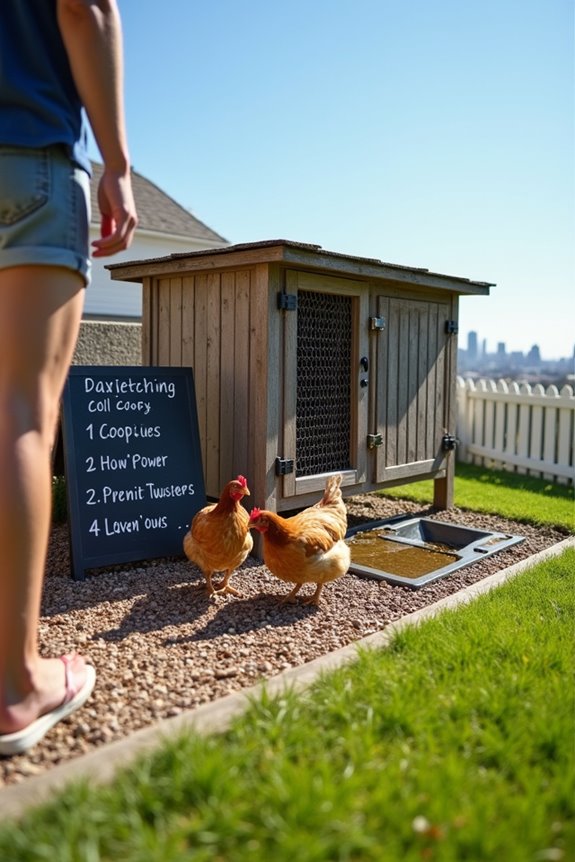
Before I built my first coop, I learned the hard way that some cities require permits and licenses while others don’t—so I had to call my local planning department to find out what applied to me. Your municipality might need you to fill out paperwork, pay a filing fee, and renew your license every year or two, depending on how strict the rules are in your area. Even if permits aren’t mandatory where you live, you could still need to register your coop or let inspectors check on it occasionally to make sure everything meets sanitation standards.
Permit Requirements and Applications
When I first decided to keep backyard chickens, I learned pretty quickly that I couldn’t just build a coop and call it a day—most neighborhoods require some kind of permit or special-use license before you’re legally allowed to house a flock.
Here’s what I discovered about getting permits:
- Submit an application to your planning or animal control department with coop diagrams
- Review flock size limits that typically restrict how many birds you can keep
- Check setback requirements specifying how far your coop must sit from property lines
- Prepare for inspections covering housing standards, sanitation, and neighbor notifications
Most jurisdictions renew permits annually. I’ll admit, the paperwork felt tedious at first. But honestly? Going through official channels saved me headaches later and made me feel genuinely part of my community’s chickekeeping community.
Local Licensing Considerations
Where do you even start when figuring out whether your town actually requires a chicken license? I’ll be honest—I was overwhelmed too. The first thing I discovered is that my city required a pet animal license before I could keep backyard chickens legally. Your local government likely has specific application steps and fees, which vary wildly depending on where you live.
I learned that some jurisdictions demand separate coop permits or site plans. My neighborhood also had HOA rules that added extra registration requirements beyond what the city needed. Before investing in anything, contact your city or county clerk’s office directly. Ask specifically about chicken licenses and any zoning restrictions. They’ll tell you exactly what you need. Trust me—this conversation saves headaches later.
What’s Your Local Backyard Chicken Flock Limit?
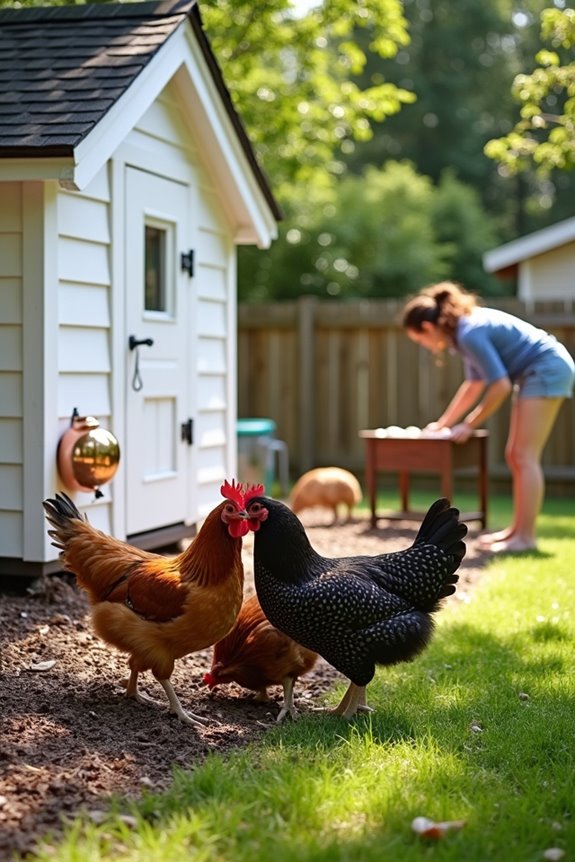
How many chickens can you actually keep in your backyard? I’ll be honest—I was surprised when I first checked my local rules. The answer depends entirely on where you live.
Here’s what I discovered:
- Limits range from 2 to 10+ birds, varying by city and county
- Some areas restrict roosters separately due to noise complaints
- Many jurisdictions require permits linked to lot size or coop setbacks
- HOA rules can prohibit backyard chickens entirely, regardless of local ordinances
I learned this the hard way by calling my planning department. You’ll want to do the same before investing in a coop. Getting a written copy of your local ordinance prevents headaches later. Your backyard chickens dream won’t work without understanding these specific limits first.
Understand Coop Placement and Setback Rules
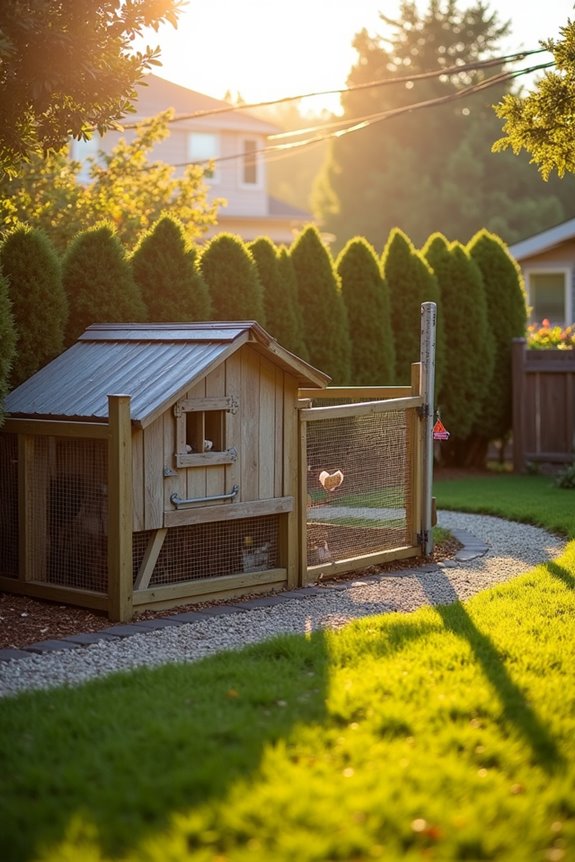
Did you know your coop’s location might matter more than its size? I learned this the hard way when I nearly placed mine three feet from my neighbor’s fence.
Most cities require setbacks ranging from 10 to 25 feet from property lines. Your backyard chicken coops also need distance from your neighbor’s windows and structures to keep odors and noise complaints away. Some areas demand even stricter rules for fenced runs.
Before I broke ground, I called my local zoning department. You should too. They’ll tell you exactly what your area requires. Getting permits and inspections upfront saved me from costly relocations later. Trust me, a quick phone call beats removing an entire coop.
Are Roosters Allowed in Your Neighborhood?
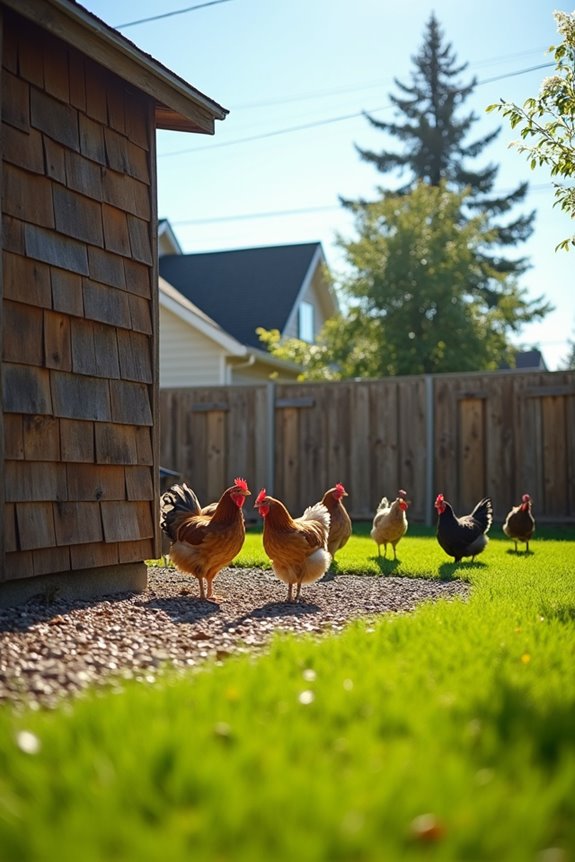
Before you fall in love with the idea of a rooster strutting around your backyard, you’ll want to know that roosters aren’t welcome everywhere—and I learned that lesson the hard way.
Here’s what I discovered about rooster regulations:
- Some cities allow only hens, banning roosters entirely
- Others permit roosters with permits or neighborhood approval
- HOA rules often prohibit roosters due to noise concerns
- Setback distances and coop standards vary by location
The noise factor is real. Early morning crowing bothers neighbors, which is why many municipalities restrict roosters in residential zones. Before bringing one home, I’d recommend checking with your local zoning or animal control office. They’ll give you the straight answer about what’s allowed where you live. Trust me—asking first saves headaches later.
Do You Need Neighbor Permission or Notification?
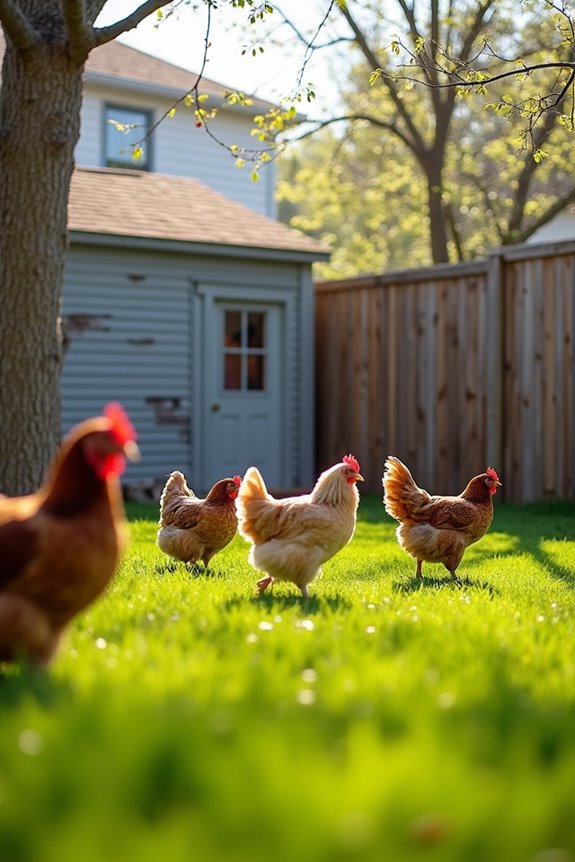
Getting approval from your local government is just half the battle—your actual neighbors matter too. I learned this the hard way when my enthusiastic chicken plans almost caused a neighborhood uprising.
Many areas require formal neighbor notification before you start your coop. Some HOAs demand written permission. Others don’t legally require it but strongly encourage you to chat with nearby residents first. I’ve found that simple conversations prevent headaches later.
Here’s what I do: I walk around with sketches of my coop setup, explain my plans, and address their real concerns—noise, odors, and traffic. Most people warm up when they understand you’re being responsible.
Document these conversations. Write down who you talked to and what you discussed. This paperwork becomes gold when filing permits or handling disputes. Trust me, a friendly chat beats neighborhood tension any day.
Backyard Chicken Coop Essentials: What You’ll Need to Buy
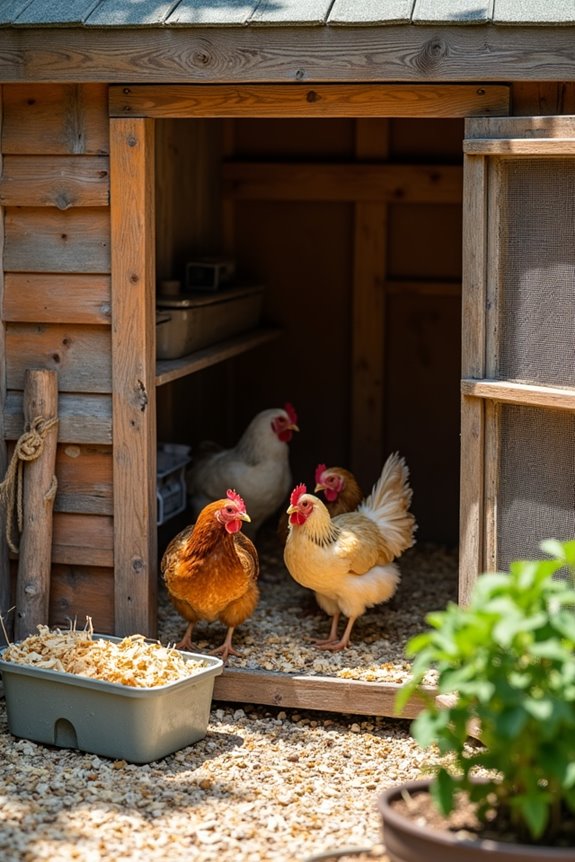
So what’s actually going to keep your chickens safe, happy, and thriving? Before you bring your flock home, you’ll need to gather some essentials. I learned this the hard way after my first coop attempt fell short. Here’s what I recommend getting:
- A sturdy coop with 4 square feet per bird inside
- An outdoor run providing 10 square feet per bird
- Predator-proof hardware with locking latches and secure fencing
- Bedding, feeders, waterers, and ventilation systems
Check your local laws first—they’ll specify what you actually need. Beyond these basics, plan for cleaning supplies and a waste management system. Trust me, you’ll appreciate having everything ready before day one. Starting right saves frustration later.
Calculate Space: How Many Chickens Can You Raise?
How many chickens can actually fit in your backyard? I’ll be honest—I almost crammed too many into mine! The golden rule I’ve learned is 4 square feet of coop space and 10 square feet of run space per bird. For my flock of 4 backyard chickens, I needed roughly 16 square feet inside plus 40 feet outside. In tighter spaces, I’ve seen people get away with 2–3 square feet per bird, though your birds won’t be thrilled about it. Before you settle on a number, check your local zoning laws—some areas cap flock sizes based on lot size. I didn’t check mine first, and let me tell you, a violation notice isn’t fun. Know your limits before buying.
Talk to Your Neighbors Before Bringing Chickens Home
Now that you’ve figured out how many chickens fit in your space, it’s time to have a conversation you might be dreading—the one with your neighbors. I’ll be honest: I was nervous too. But strong neighbor relations actually make backyard chicken-keeping easier and more enjoyable.
Here’s what I recommend sharing:
- Coop location and setback distances from property lines
- Odor control methods and manure management plans
- Expected noise levels and roosting schedules
- Health and safety measures like predator protection
I invited mine over for a casual chat, showed them the coop plans, and answered their questions honestly. Some folks even got excited about fresh eggs. Building trust upfront prevents problems later. Your neighbors aren’t your enemies—they’re just concerned about their own peace and property values.
Pick Chicken Breeds Built for Your Climate
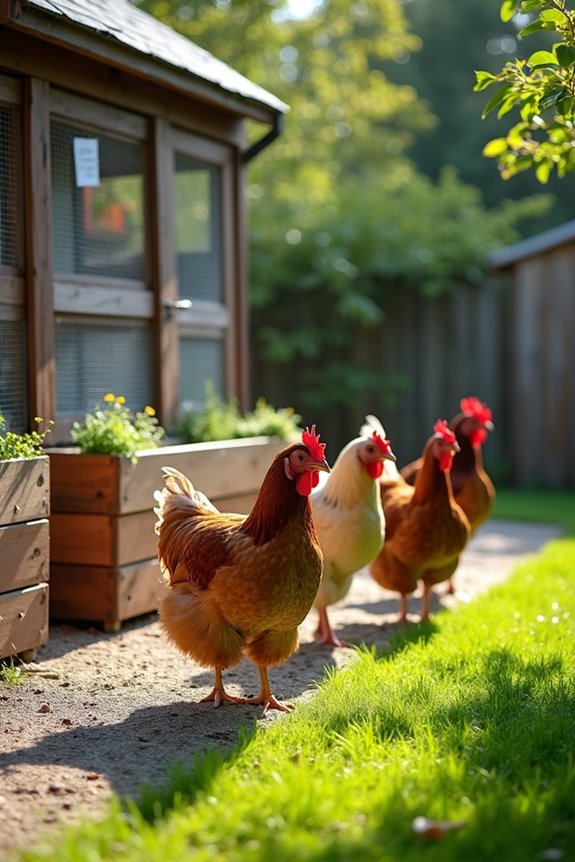
What makes one chicken thrive in Minnesota winters while another wilts in Texas heat? Climate matching is crucial for happy backyard chickens. I learned this the hard way after picking gorgeous birds that hated my humid summers.
Start by checking your region’s temperature swings and humidity levels. Cold-hardy breeds like Australorps and Rhode Island Reds handle freezing winters beautifully. Heat-tolerant Leghorns prefer warmer zones. Dual-purpose breeds such as Sussex work across many climates, which honestly saved me from disaster.
Before committing to your full flock, I’d recommend starting small—grab four to six birds first. This lets them adjust to your coop while you figure out what works. Chat with local poultry clubs too. They’ll share which breeds actually thrive in your specific area, not just theoretically.
Where to Buy Healthy Chicks and Supplies Locally
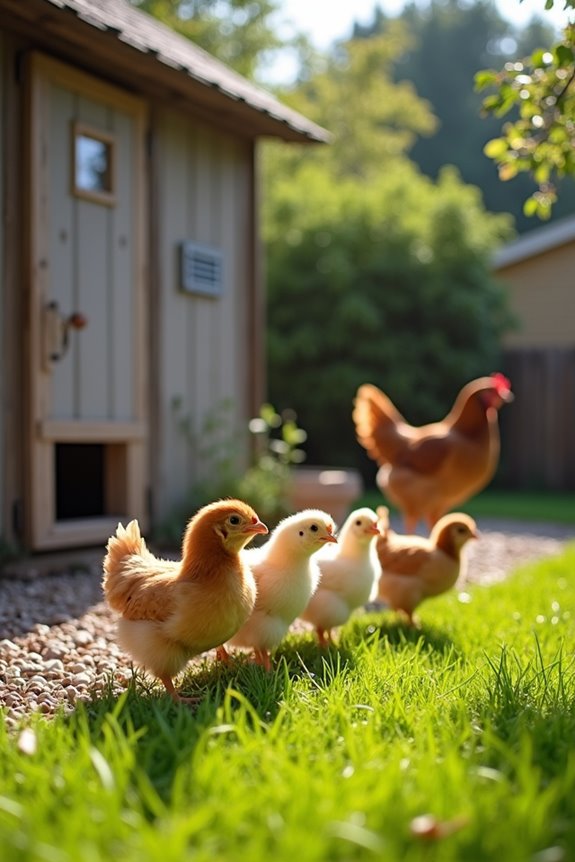
I’ve found that your best bet is hitting up local feed stores and hatcheries first—they’re goldmines for healthy chicks and can answer questions about what’ll thrive in your specific area. You’ll also want to check out online suppliers if local options are slim, though I’ll admit shipping chicks stressed me out the first time (they arrived chirping like tiny alarm clocks at 6 a.m.). Either way, ask about vaccination status and get recommendations for starter supplies before you bring your flock home.
Local Hatchery and Feed Stores
Once you’ve got your permits sorted out, your next stop should be a local hatchery or feed store—and honestly, this is where things get fun. These places are goldmines for backyard chickens beginners like us. Staff members actually know their stuff and can help you pick breeds that’ll thrive in your climate.
Here’s what you’ll find:
- Sexed pullets (female chicks only) to avoid surprise roosters
- Starter kits with feeders, waterers, and heat lamps
- Medicated or non-medicated chick feed
- Breed guidance based on your space and egg goals
Before you leave, ask about their health practices. Do they quarantine new arrivals? Do they offer vaccinations? I learned this the hard way—starting healthy saves headaches later.
Online Suppliers and Shipping Options
Online hatcheries are total game-changers if your local feed store doesn’t have the breeds you want or if you’re picky about getting pullets (I definitely am). I’ve ordered backyard chickens from suppliers nationwide, and honestly, it’s easier than I expected. Most hatcheries ship chicks at 24–72 hours old with overnight or 2nd-day delivery to keep them safe. Before ordering, I always check their shipping policies—temperature controls and heat packs matter, especially if you’re in a rough climate. I also compare health guarantees and vaccination options like Marek’s vaccine availability. Read customer reviews carefully; they’ll tell you about chick quality and how hatcheries handle their crates. Finally, confirm your state’s import restrictions. Trust me, getting rejected at the carrier is frustrating.
Protect Your Flock: Disease Prevention and Coop Safety
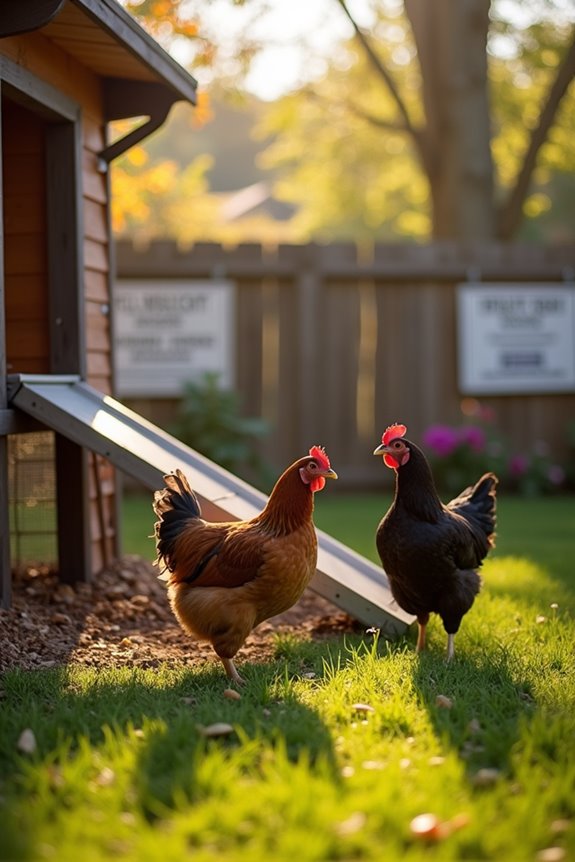
Why do some backyard chicken keepers seem to breeze through years without a sick bird, while others struggle with illness after illness? I’ll tell you—it’s biosecurity and smart coop management.
I learned this the hard way after my first flock got sick. Now I follow these essentials:
- Clean your coop weekly and remove wet bedding to prevent ammonia and mold
- Wash your hands before and after handling birds to stop disease spread
- Quarantine new chickens for 2–4 weeks before introducing them to your flock
- Vaccinate your birds and keep detailed records of what you’ve done
I also keep my coop predator-proof with good ventilation and drainage. These practices aren’t complicated—they’re just consistent habits that keep your flock thriving.
Connect With Local Poultry Keepers and Resources
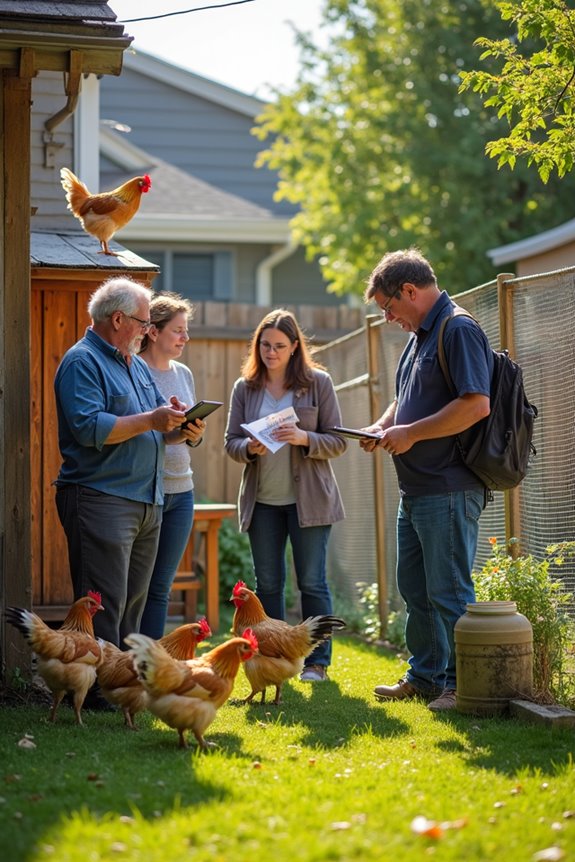
Now that you’ve got your biosecurity routine down, you’ll realize something pretty quickly—you can’t do this alone. I learned this the hard way after my first coop flooded. That’s when I found my local poultry club, and honestly, it changed everything.
Connect with nearby chicken keepers through community groups, feed stores, or social media. They’ll share coop designs, troubleshooting tips, and real talk about local laws in your area. Your city or county extension office is your secret weapon too—they’ve got the current ordinances and permit requirements you actually need.
Host a neighborhood meetup. Swap stories. Build relationships with vets and fellow keepers who get it. These connections aren’t just nice to have; they’re your safety net when questions pop up about regulations or your flock’s health. You’re joining a community.