A well-built wood fence typically lasts 15–30 years, though I’ve seen neglected ones fail in half that time. Your best bet? Choose cedar or redwood, seal it every 2–4 years, and inspect twice yearly for rot and loose boards. Honestly, maintenance matters more than the wood type itself—I’ve watched properly maintained pine outlast abandoned cedar. Keep the base elevated and manage moisture, and you’ll skip costly replacements. Stick around to discover exactly which practices will add years to yours.
How Long Does a Wood Fence Last by Material Type?
What’s your fence made of? That question matters more than you’d think. I’ve learned this the hard way.
Cedar’s my go-to choice. It’ll stick around 20–30 years if you seal it regularly. Pressure-treated pine costs less but only lasts 15–20 years without serious maintenance. Redwood and cypress? They’re solid options giving you 25–30+ years, depending on your climate and upkeep.
Here’s where it gets exciting: exotic hardwoods like ipe last 40–75 years. Yeah, they’re pricey, but honestly, I consider them an investment.
Then there’s softwoods like spruce or fir. I’d skip these unless you’re building something temporary—they barely make it 5–10 years.
The real secret isn’t just picking the right wood. Regular sealing, staining, and cleaning against weather exposure? That’s what transforms your fence from “temporary” to “lasting.”
What Factors Determine a Wood Fence’s Lifespan?
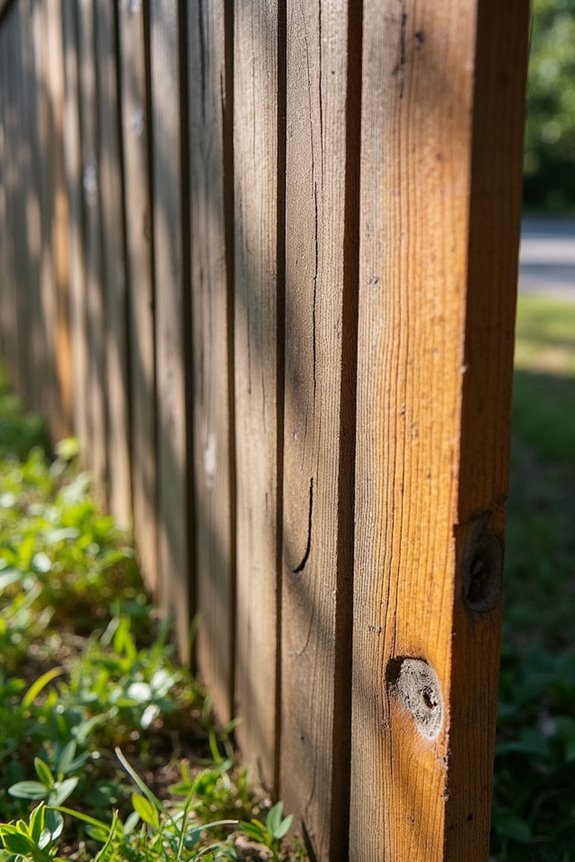
Now that you know which wood to choose, here’s the honest truth: the material itself is only half the battle. Your wood fence lifespan really depends on five major factors working together.
First, installation quality matters hugely. I’ve seen fences fail early because posts weren’t set deep enough or concrete footings were skipped. Proper post depth and drainage keep wood off the ground, preventing rot before it starts.
Climate and moisture are game-changers too. Freezing cycles, UV exposure, and humidity either extend or shorten your fence’s life dramatically. Sealing and staining every few years acts like sunscreen for your fence.
Finally, maintenance separates fences that last 10 years from those lasting 30. Regular inspections and prompt repairs catch problems early. You’re not just protecting wood—you’re protecting your investment.
Why Installation Quality Is Your Fence’s Make-or-Break Factor
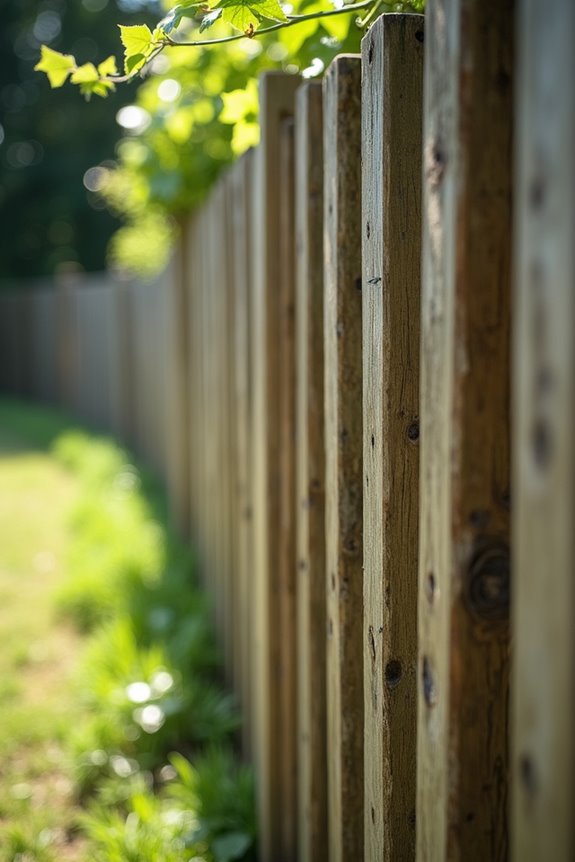
You can buy the most rot-resistant cedar on the planet, but if you don’t install it right, you’re basically throwing money at a fence that’ll be leaning like the Tower of Pisa in five years.
I’ve learned this the hard way. Proper installation is genuinely your fence’s make-or-break factor. It starts with foundation quality—getting your post depth and concrete anchoring correct prevents early leaning and sagging. Then drainage matters hugely; I can’t stress enough how moisture causes rot.
Correct spacing and secure fastening reduce movement and joint stress. Misalignment creates gaps that accelerate wear. Poor installation shortens your fence’s lifespan regardless of wood type.
Think of installation as your fence’s insurance policy. Getting it right from day one saves you years of headaches and replacement costs.
Your Wood Fence Maintenance Schedule: What Extends Life
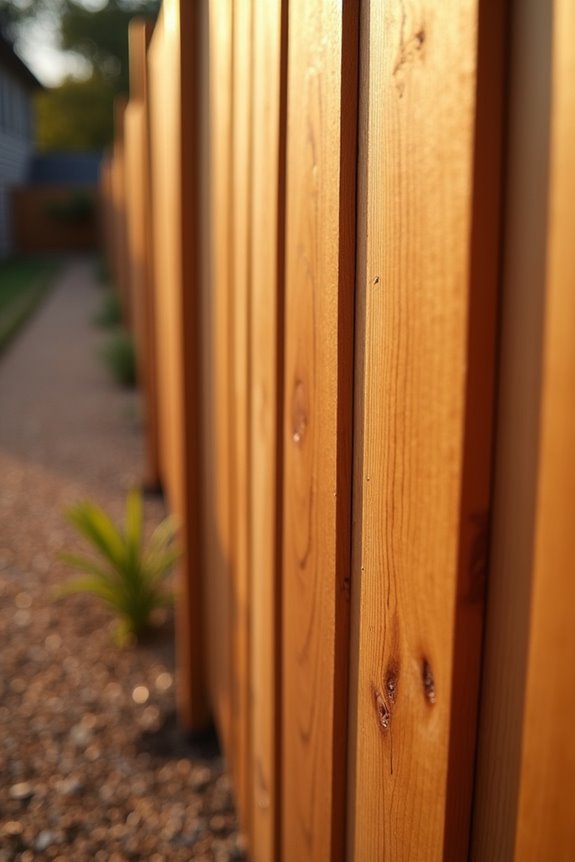
Once you’ve got your fence standing solid, the real work begins—and honestly, I’ve learned this the hard way after watching my own fence develop soft spots in places I’d ignored for years. You’ll want to inspect your fence every spring and fall, checking for loose boards, wobbly posts, and any rot creeping in from ground contact, then tackle those repairs before they spiral into bigger problems. Beyond that, a regular cleaning every 2–3 years followed by resealing every 3–5 years keeps moisture and UV rays from eating away at your wood, which is basically the difference between a fence that lasts 15 years and one that barely makes it to 10.
Annual Inspection And Repairs
How often do I actually peek at my fence? Honestly, I used to skip this entirely. Now I inspect twice yearly—spring and fall—catching problems before they spiral. During my 15-minute checks, I look for rot detection, loose fasteners, and post stability issues. I’ve learned that damaged boards worsen quickly if ignored.
| Inspection Focus | What I Check | Why It Matters |
|---|---|---|
| Posts | Leaning, softness, insects | Foundation prevents collapse |
| Fasteners | Nails, screws, hardware | Loose parts destabilize sections |
| Boards | Rot, cracks, splintering | Damaged wood spreads decay |
| Surroundings | Vegetation, moisture, soil contact | Weed/vegetation clearance reduces rot risk |
I’ve found that addressing small issues immediately saves hundreds later. Clearing vegetation and maintaining staining/sealing every 2–3 years dramatically extends wood fence lifespan. It’s simpler than rebuilding entire sections.
Seasonal Sealing And Cleaning
When’s the last time you actually looked at your fence’s surface—really looked? I’ll confess: I ignored mine until moss started creeping up the boards. That’s when I learned that seasonal sealing and cleaning aren’t optional if you want your wood fence lifespan to stretch beyond a few years.
Here’s my honest maintenance schedule:
- Clean dirt, moss, and mildew every 2–3 years
- Seal or stain every 2–4 years for UV protection
- Time staining at season’s end for best absorption
- Wait months after installation before treating kiln-dried wood
- Inspect before each application for damage
I’ve discovered that consistent maintenance beats emergency repairs. Weather-resistant wood needs support—moisture exposure and UV rays don’t take vacations. When you stay on top of cleaning and sealing, your fence becomes genuinely weather-resistant. That’s fence longevity worth celebrating.
Should You Repair or Replace Your Fence? How to Decide
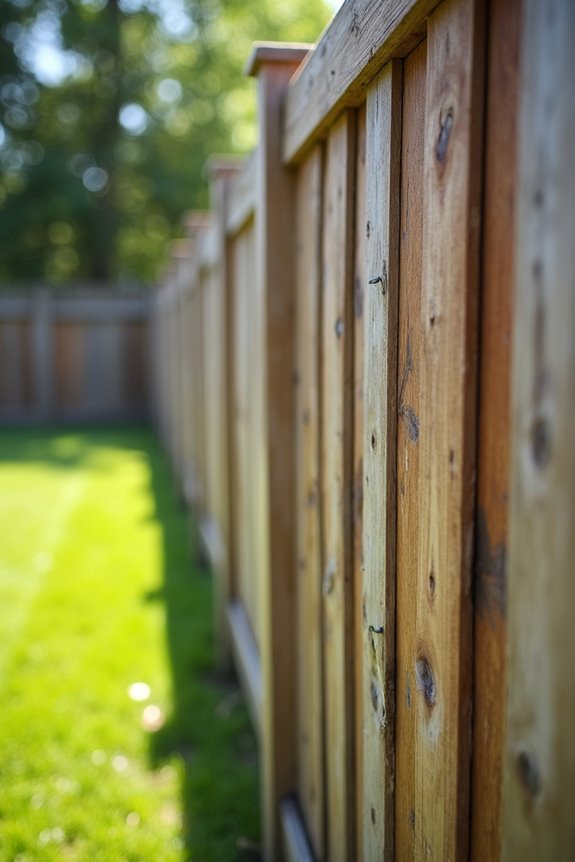
When I’m staring at my fence wondering if I’ve finally met my match, I check three things: how bad the damage really is, what it’ll cost me to fix versus replace, and whether the whole structure can still do its job. If more than 30% of my fence is rotting or the posts are leaning like they’re tired, I know replacement makes more sense than throwing money at repairs that won’t stick around long. But if it’s just a few warped pickets or a wobbly post here and there, I can usually patch those up and squeeze out more years before I need to call in the big guns.
Assess Damage Severity
Before you grab your tools or call a contractor, you’ve got to figure out whether your fence is worth fixing or if it’s time to start fresh. I’ve learned this the hard way—staring at my own fence wondering if I’m throwing good money after bad.
Here’s what I check:
- Rot damage exceeds 30% of the fence structure
- Posts show leaning or instability issues
- Base rot spreads widely along the foundation
- Cracked boards or warped pickets appear throughout
- Multiple problem areas require simultaneous fixes
Minor damage like loose boards or a few cracked pickets? That’s repair territory. But if rot’s eating your posts or your fence leans like it’s had too much coffee, replacement makes sense. I’ve found that regular inspections twice yearly catch problems early, saving me from expensive decisions down the road. Sometimes the smartest fix is starting over.
Compare Long-Term Costs
How do you know if you’re actually saving money by fixing your fence instead of replacing it? I’ve wrestled with this myself. Let me break down what I’ve learned about wood fence lifespan and long-term costs.
| Option | Initial Cost | Annual Maintenance |
|---|---|---|
| Repair minor damage | $200–$500 | $100–$200 |
| Replace entire fence | $1,500–$3,000 | $150–$300 |
| Vinyl alternative | $2,000–$4,000 | $50–$100 |
For pressure-treated wood, minor repairs under 30% damage make sense. But if rot spreads or posts lean badly, replacement wins long-term. Cedar lasts longer but needs staining and sealing every 2–4 years. I’ve found that comparing durability alongside maintenance costs reveals the real picture. Sometimes investing upfront in alternatives saves headaches later.
Evaluate Structural Integrity
Now that you’ve done the math on repair versus replacement costs, it’s time to get your hands dirty and actually look at your fence. I learned this the hard way when I ignored wobbling posts until they nearly toppled over.
Check these critical areas:
- Post stability: Push hard on wood fence posts—movement over 2 inches means replacement
- Rot extent: If rot exceeds 30% of sections, replacement beats repairs
- Fasteners and joints: Corroded hardware signals multiple fixes ahead
- Fence sagging: Drooping panels indicate failed structural support
- Moisture exposure: Water damage accelerates deterioration
When posts compromise your fence’s structural integrity, patching won’t cut it. Multiple failing components—posts, rails, fasteners—suggest upgrading to low-maintenance vinyl or aluminum instead. Trust me: addressing problems now prevents costlier disasters later.
Wood Fence Durability: How It Compares to Vinyl, Metal, and Chain Link
When you’re standing in your yard trying to decide which fence material to invest in, you’re really asking yourself: what’ll still be standing in 20 years?
Here’s the honest truth: wood fence lifespan typically runs 15–30 years, while vinyl stretches to 25–40 years. Metal fences? They’ll outlast both, hitting 30–50+ years. I’ve watched treated wood fences crumble faster than expected without proper stain or sealant protection. Moisture exposure is your wood’s worst enemy.
The real difference comes down to fencing maintenance. Wood demands regular TLC—staining, sealing, inspections. Vinyl and metal? They laugh at rot and mold. Wood vs vinyl or wood vs metal really boils down to this: do you want to spend time maintaining, or would you prefer something that just… stays put?
Five Maintenance Practices That Add Years to Your Fence
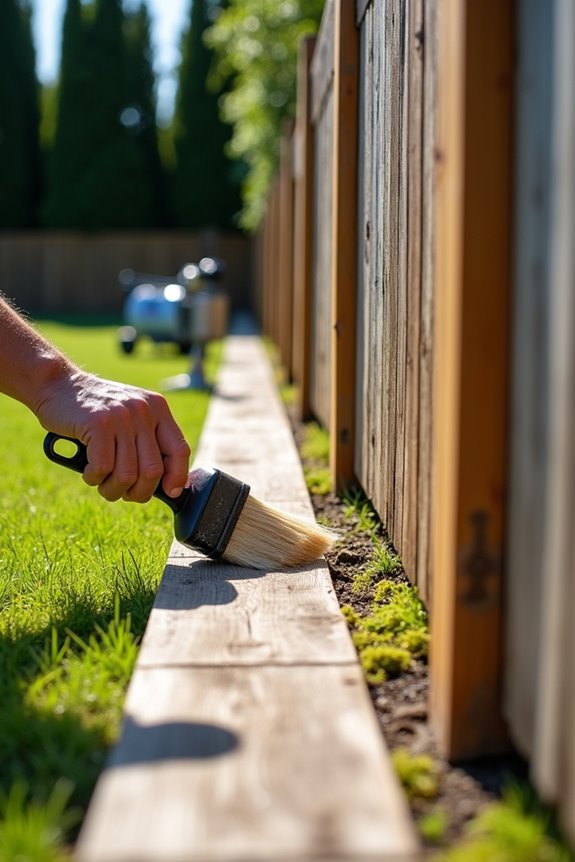
I’ll level with you: I used to think wood fences were basically disposable. Then I learned that simple maintenance practices can dramatically extend your wood fence lifespan. Here’s what actually works:
- Stain or seal every 2–4 years to shield against moisture exposure and UV damage
- Clean annually to remove dirt, moss, and mildew that accelerate decay
- Inspect yearly for rot, loose fasteners, and damaged boards
- Manage moisture by elevating the fence base and trimming nearby plants
- Apply rot boards at the bottom for bottom rot prevention
These steps transform your protective finish from temporary to lasting. I’ve watched neighbors skip annual inspections and replace entire sections within five years. Those who commit to proper drainage and seasonal maintenance? Their fences outlast everyone’s expectations. You’ve got this.
Protecting Wood Fences in Wet Climates: What Changes
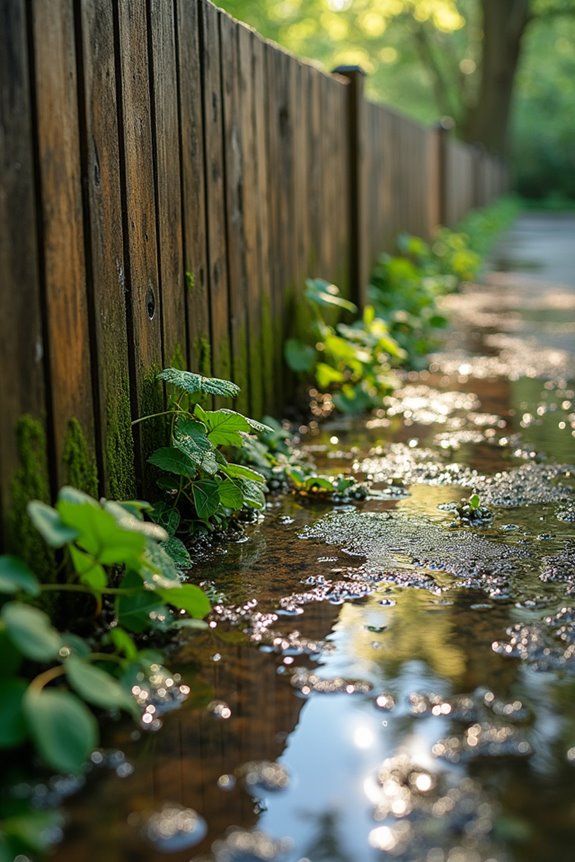
Does your fence live in a perpetually damp climate? I’ve learned the hard way that wet climates demand different strategies. Your wood fence lifespan shrinks without serious moisture protection. Here’s what actually works: seal or stain every 2–4 years using UV-protective finishes that fight water absorption and sun fade. I neglected this once—regret that decision. Install pressure-treated posts and metal posts where possible for rot prevention. Keep fence sections elevated away from soil contact since moisture damage starts there. Inspect annually for soft boards and mold. Remove moss and mildew every 2–3 years because they trap dampness. Ensure good drainage around your fence’s base. These fence maintenance steps sound like work, but they’re honestly what keeps your investment standing strong in soggy conditions.