

Most places require a fence around your above-ground pool—I learned this the hard way. If your water’s deeper than 18–24 inches (check your local rules), you’ll likely need a barrier. Your city or HOA determines exact requirements, and honestly, it’s worth calling your building department before dropping cash on a pool. Skip the fence, and you’re risking fines, denied insurance claims, and serious liability issues. The good news? I’ll show you exactly what your area demands and how to stay compliant without the headache.
Do You Need an Above-Ground Pool Fence? Yes, In Most Cases
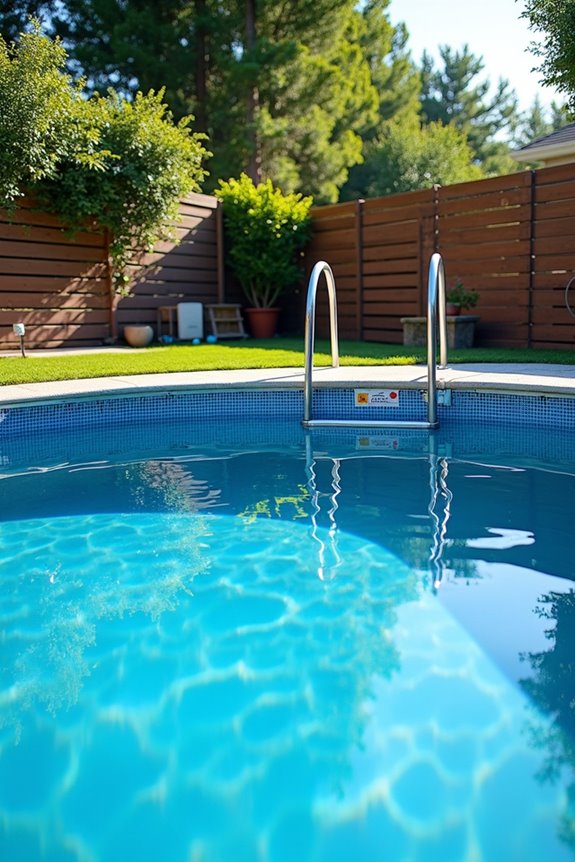
Why’s a fence suddenly required when you buy an above-ground pool? It’s all about keeping kids safe. Most jurisdictions require a safety barrier around your above-ground pool fence once the water depth hits 18–24 inches. If your pool has a detachable ladder, that’s usually the trigger too.
Here’s the thing: I didn’t realize how serious these legal requirements were until I started researching my own setup. Your local codes might demand a 48-inch barrier—or even 60 inches in some places. The water depth threshold is where most people get caught off guard.
These aren’t just suggestions. They’re real legal requirements designed to prevent drowning. Before you install anything, check your local codes and HOA rules. Trust me, it’ll save you headaches later.
The Depth Rule: When Your Pool Needs a Fence
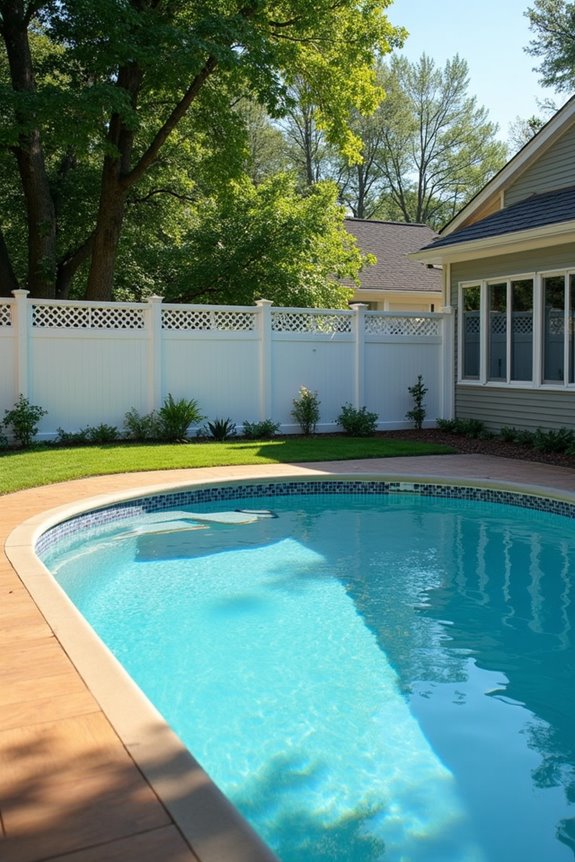
When I first looked into pool fencing rules, I discovered that water depth is usually the magic number—most jurisdictions require a fence once your pool hits 18 to 24 inches deep, though it varies by location. You’ll want to measure your actual water depth with a simple measuring tape or stick (I grabbed a pool noodle and marked it, honestly), because that number determines whether you’re legally in the clear or need to fence things in. Here’s the thing though: some areas have exceptions for pools with built-in safety features like removable ladders or self-closing gates, so checking with your local city or county before you buy supplies could save you some headaches down the road.
State Depth Trigger Requirements
How deep does your pool actually need to be before the fence police show up?
I’ve learned that depth triggers vary wildly across states. Most jurisdictions use either 18 or 24 inches as their magic number for above-ground pools. Here’s what I discovered:
| State Category | Depth Threshold |
|---|---|
| Stricter States | 18 inches |
| Standard States | 24 inches |
| Variable Regions | 18-24 inches |
| Check Local First | Varies by city |
| Insurance Companies | Often 24 inches |
Your state requirements might differ from your neighbor’s, which honestly caught me off-guard. Some states lean conservative at 18 inches, while others won’t require fencing until you hit 24 inches. The real kicker? Local codes can override state guidelines entirely. Before you assume anything about your above-ground pools and fencing obligations, I’d honestly call your municipality. Trust me—it’s worth the five-minute conversation.
Measuring Water Depth Accurately
Now that you know your state’s depth threshold, the real question is: are you actually measuring it right? I’ve seen plenty of pool owners guess at their water depth, and honestly, it’s not worth the risk. Here’s the thing: your measurement accuracy directly determines whether your above-ground pool triggers fencing requirements. Most jurisdictions use 18 or 24 inches as the fencing trigger, so getting this wrong could leave you violating barrier requirements without realizing it.
Use a simple measuring tape or pool depth gauge—drop it straight down from the water’s surface to the bottom. Check multiple spots since depth varies. Document your findings. When it comes to barrier requirements, this measurement isn’t just a number; it’s what separates compliance from costly insurance issues.
Depth Exceptions And Exemptions
So you’ve measured your pool and it’s sitting right at that magic 18 to 24-inch threshold—but does that automatically mean you’re required to fence it? Not necessarily. I’ve learned that depth exceptions and fencing exemptions exist, though they’re trickier than you’d think.
Your local code determines everything. Some jurisdictions exempt shallow pools entirely, while others enforce strict pool safety requirements regardless. I always check with my municipality first because city amendments often override state baselines—trust me, I’ve wasted time relying on outdated information.
Here’s the catch: even if your above-ground pool fence technically isn’t required by depth, your insurance carrier might demand it anyway. An undersized pool sits in a gray zone where compliance becomes personal responsibility. Always verify locally before assuming you’re exempt.
What Your State and City Actually Require
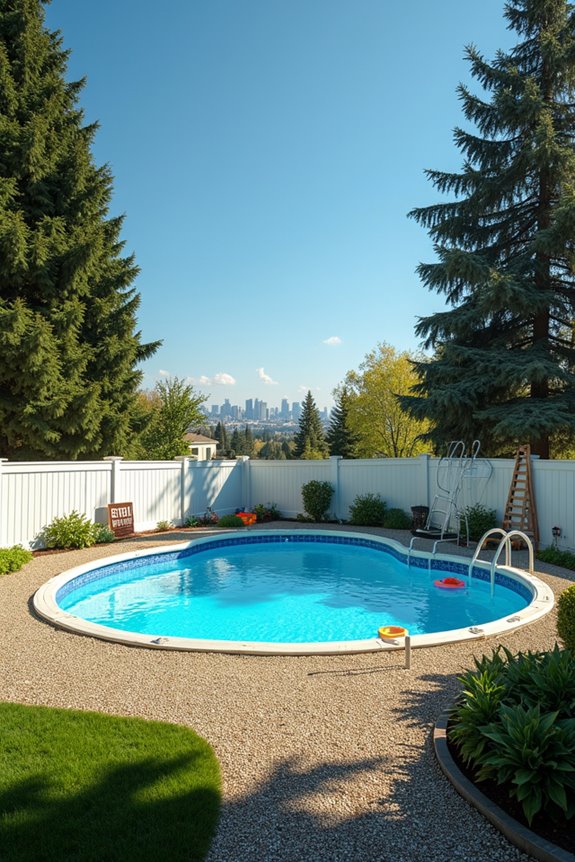
Why does your neighbor’s pool have a fence while yours might not need one? The answer depends entirely on where you live. Your local ordinances and building codes trump everything else—even what worked for your friend across town. I learned this the hard way when I assumed state guidelines applied everywhere.
Check with your city or county first. They’ll tell you exact fencing requirements for above-ground pools in your area. Your HOA might have stricter rules too. Some places demand four-to-five-foot barriers with self-closing gates once water hits eighteen inches deep. Others? Barely anything.
Don’t skip this step. Insurance companies scrutinize gate safety and compliance. One phone call to your building department saves headaches, fines, and regret. Trust me—I’ve been there.
Does Your Pool Wall Count as a Barrier?
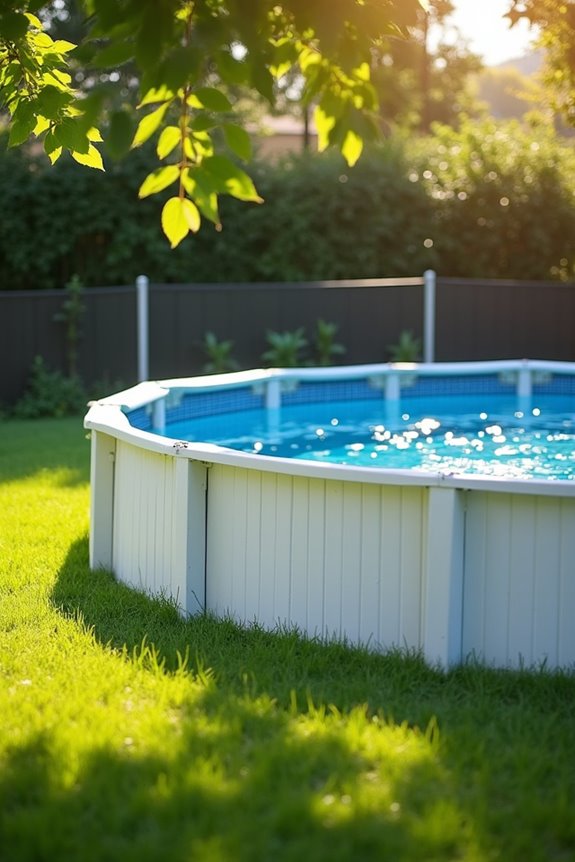
that tall vinyl wall surrounding your water might actually count as a legal barrier—or it might not, depending on where you live and how it’s set up.
Your pool wall could qualify as a barrier if it hits that magic 48-inch height and you’ve removed any permanent ladders. But here’s where it gets tricky. If you’ve got a removable ladder, attached deck, or easy access points, your local code enforcement might reject it entirely.
I learned the hard way that fence requirements vary wildly by location. Some places accept the wall alone; others demand additional fencing or a self-closing gate. Before you celebrate your setup, call your local authorities and ask about your specific above ground pool wall as barrier status. It’ll save you headaches later.
Decks and Ladders: How They Trigger Barrier Requirements
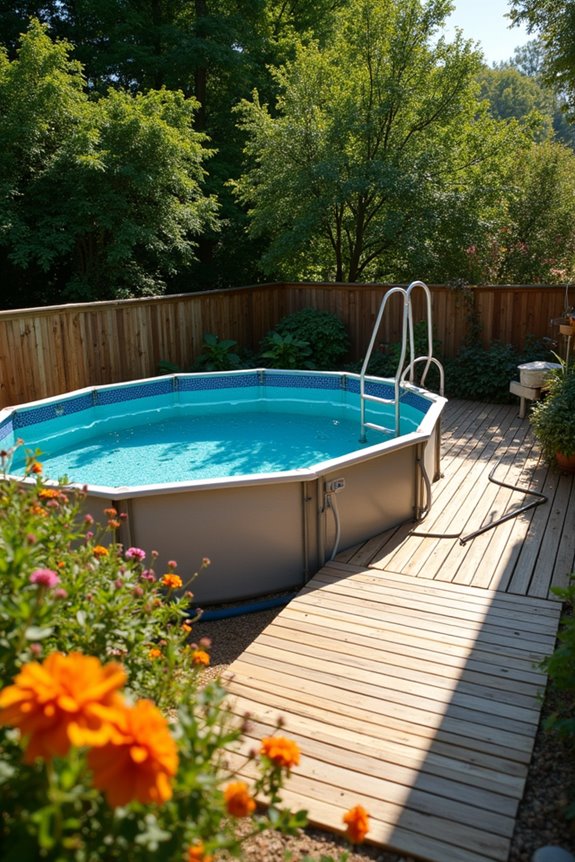
Attached ladders and decks might seem like convenient additions to your above-ground pool, but they’re actually legal landmines in disguise. I learned this the hard way when my inspector flagged my deck setup. Here’s the thing: if your ladder stays permanently attached or your deck connects directly to the pool, they become access points that undermine your pool wall’s barrier status. Local ordinances typically require either removable ladders with locks or a compliant gate safety system protecting deck access. Your municipality won’t accept “but the wall’s tall enough” as an excuse. I’ve seen neighbors fined for exactly this oversight. Before installing anything, check your specific local ordinances—they vary wildly. A quick call to your city planning department saves serious headaches and keeps everyone safe.
What Happens Without a Fence: Code Violations, Insurance Denial, and Lawsuits
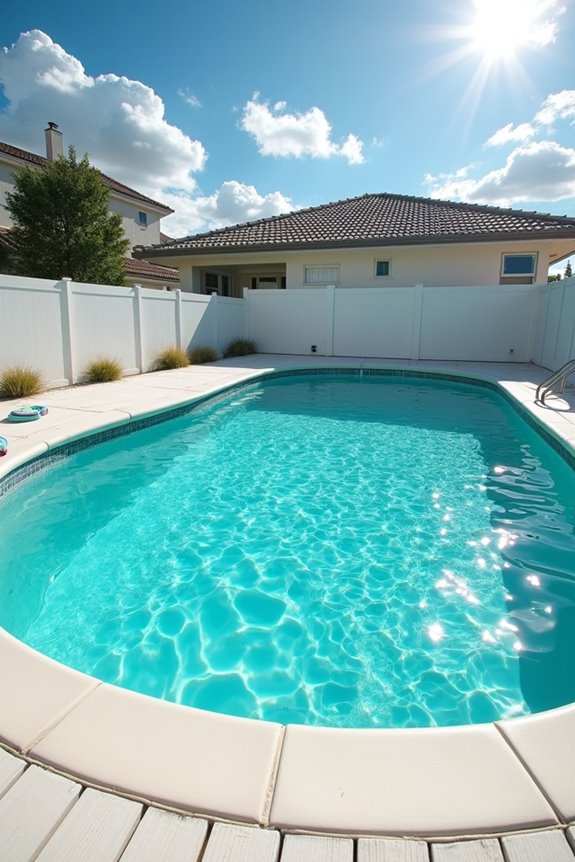
Skipping the fence might seem like you’re saving money and hassle, but I can tell you from experience—it’s actually the opposite. I’ve watched neighbors face hefty municipal fines and reinspection fees when code violations were discovered. Your insurance carrier can deny coverage entirely if you’re missing this fence requirement. That’s not just frustrating; it leaves you exposed financially. Then there’s the worst part: lawsuits. If a child drowns or gets injured at your above-ground pool, lacking a proper barrier makes you legally liable. I’ve seen families devastated by these situations. Installing a compliant fence upfront costs far less than fighting code violations, dealing with insurance denial, or facing potential lawsuits. Trust me, it’s worth the investment.
Above-Ground Pool Fence Installation Checklist
Now that you understand the real costs of skipping a fence, let’s talk about actually building one that’ll pass inspection and keep your family safe.
I’ve learned that nailing your above-ground pool fence installation means checking these essentials:
- Verify local code requirements for your specific area—they’re stricter than you’d think
- Install safety fencing at 4-5 feet high with under-gaps no wider than 2-4 inches
- Secure your removable ladder lockable or gate it off completely
- Schedule a final inspection before you even think about filling that pool
Here’s what I wish I’d known: your pool barrier height matters everywhere, and inspectors really do check those gaps. Don’t guess on measurements. Call your local building department first—seriously. They’ll tell you exactly what you need, saving you headaches and money down the road.