Creating a beautiful backyard can be tricky, especially when your yard has a slope. I made this post to help you tackle that challenge. If you’ve got a sloped yard and feel overwhelmed about where to start, this guide is for you.
You might be a homeowner wanting to maximize your outdoor space or simply someone who loves gardening and is eager to make your hillside shine. Whatever your reason, you care about transforming that sloped area into a stunning and functional space.
In this blog post, I’ve gathered 10 uphill backyard ideas that are not just creative but also practical. You’ll discover ways to design a hillside garden that’s not only beautiful but also sustainable. From terraced garden ideas to erosion control techniques, these tips will help you make the most of your space. Prepare to explore inspiring concepts like cozy fire pit areas and engaging children’s play spaces that will elevate your outdoor experience.
Let’s jump into these ideas that will turn your sloped yard into a stunning landscape where beauty meets functionality.
Key Takeaways
– Discover how terraced garden designs can transform slopes into usable spaces while adding visual interest.
– Learn about erosion control techniques that keep your garden healthy and prevent soil loss.
– Explore the benefits of creating a planting edible landscape for a sustainable and productive yard.
– Find out how implementing gravel paths and native plantings can enhance accessibility and reduce maintenance.
– Get inspired with creative solutions for outdoor living areas that utilize your yard’s views effectively.
1. Terraced Garden Design
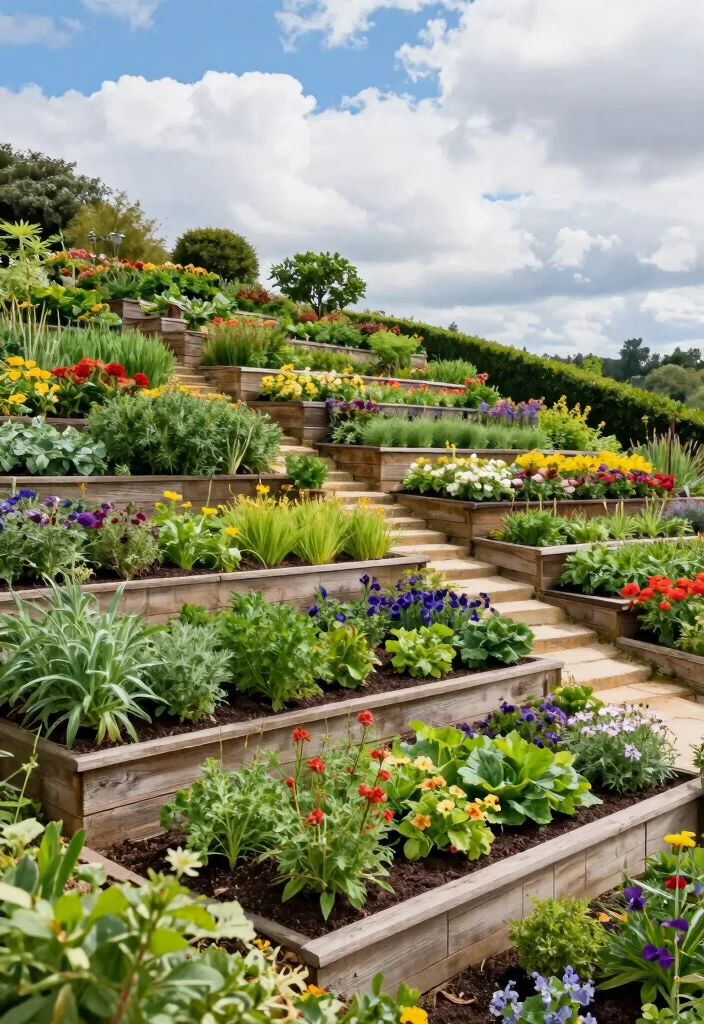
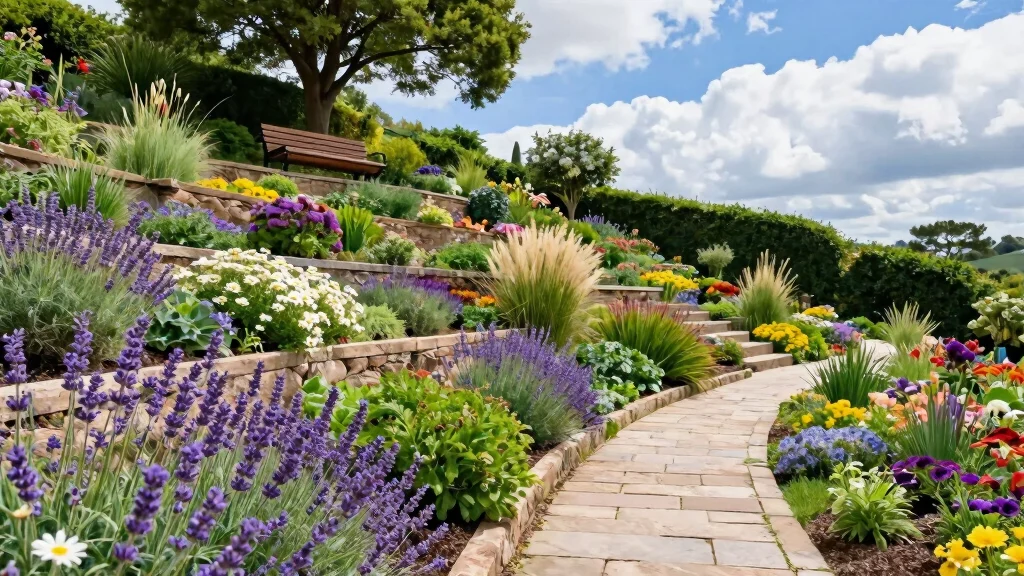
If you’re looking to maximize a sloped yard, a terraced garden is your best friend. This design effectively prevents soil erosion while creating visually stunning levels for planting. Imagine a layout where each terrace hosts unique plants—fragrant herbs on one level, vibrant flowers on another, and a vegetable patch nestled at the bottom.
Begin by measuring your slope to figure out how many terraces will fit. Carefully dig out each terrace, ensuring they are level and supported by solid retaining walls. Fill each section with nutrient-rich soil and choose plants suited to your climate. Add pathways between the terraces using gravel or stone for easy navigation. Don’t forget to add mulch to help retain moisture and suppress weeds.
Key steps to get started:
– Measure the slope and plan your terrace layout
– Dig out terraces and build sturdy retaining walls
– Fill with quality soil and select diverse plants
– Create gravel pathways for easy access
– Add mulch to retain moisture and prevent weeds
Your terraced garden will soon become an inviting feature, perfect for exploration and enjoyment.
Terraced Garden Design
Editor’s Choice
Price updated on December 15, 2025 at 9:50 AM
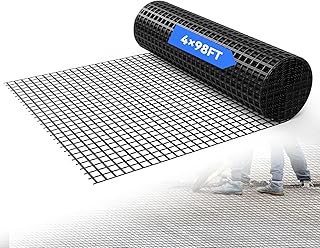
4ft x 98ft Bi-Directional Fiberglass Geogrid for Retaining Wall with 50k…


3ft x 164ft Bi-Directional Universal Retaining Wall Geogrid Driveway Sta…
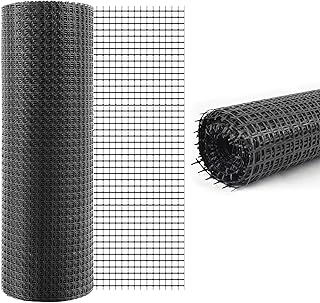
Bi-Directional Geogrid for Retaining Wall 3ft x 164ft,Geogrid Used for D…

Gabion Basket Galvanized Steel Retaining Wall Block Retaining Wall Block…
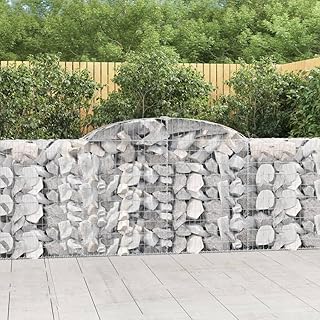
Set of 6 Extra Large Silver Galvanized Iron Gabion Baskets for Outdoor L…
2. Creative Erosion Control Techniques
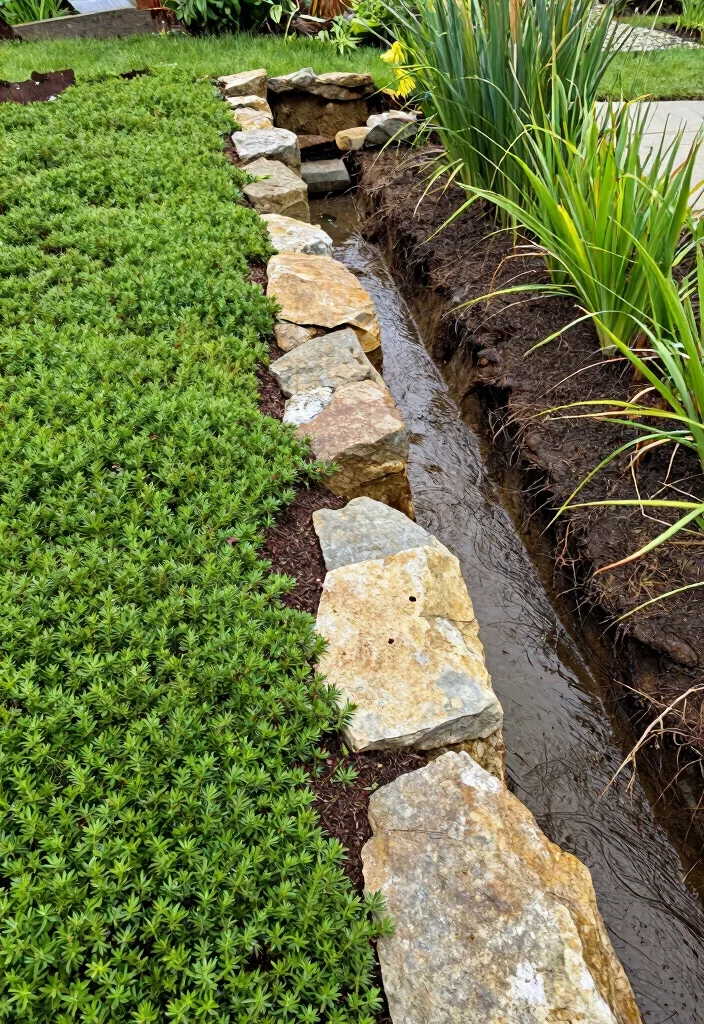
Dealing with erosion in a sloped yard can be challenging, but the right techniques can protect your landscape. Implementing smart erosion control methods not only safeguards your soil but also promotes thriving plant growth.
Consider using groundcovers like creeping thyme or sedum to help retain soil and minimize runoff. Building sturdy retaining walls with natural stones can create flat planting areas. You might also create swales—gentle ditches that redirect water to prevent erosion while encouraging absorption. Additionally, planting native species can enhance soil stability, as their deep roots effectively hold the ground.
Effective erosion control techniques:
– Plant groundcovers to stabilize soil and reduce runoff
– Build retaining walls for flat planting areas
– Create swales to redirect water flow
– Incorporate native plants for better soil stability
By applying these methods, you enhance your yard’s beauty while addressing environmental challenges.
Creative Erosion Control Techniques
Editor’s Choice
Price updated on December 15, 2025 at 9:50 AM

UtopiaSeeds Creeping Thyme Seeds – Thymus Serpyllum – Landscaping Ground…

Live Sedum Succulent Mat, 10 in. by 20 in. Plant Tray for Landscaping, S…

Outsidepride Western Native Grass Seed Mix – 1 lb. Perennial Blend of Wa…

Jute Erosion Control, Soil Saver Mesh Blanket – 48″ Wide x 20 Yards (60 …
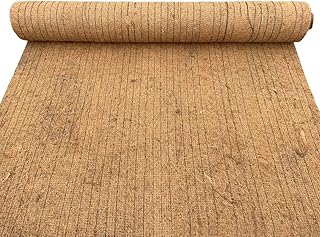
Sandbaggy Coconut Erosion Control Blanket – 3.75 ft x 120 ft Coir Mat fo…
3. Planting an Edible Landscape
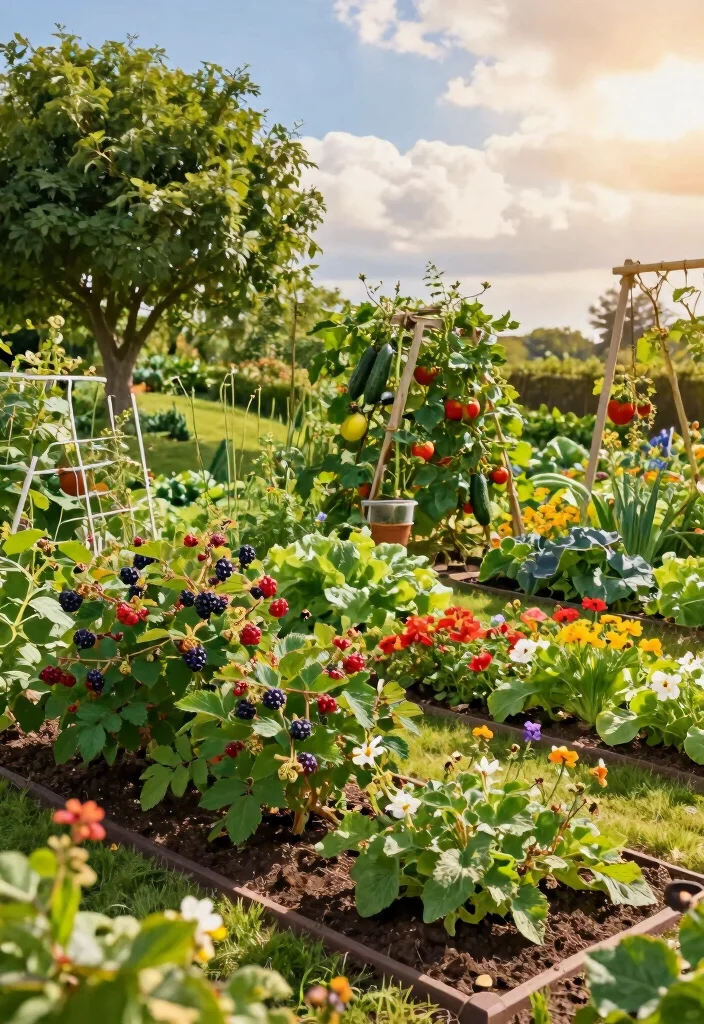
Why not make your yard both beautiful and functional? An edible landscape is a brilliant way to utilize a sloped backyard. Instead of just ornamental plants, think about incorporating fruit trees, berry bushes, and vegetables into your design. This not only provides fresh produce but also enriches your local ecosystem.
Start by selecting plants that thrive in your specific climate and soil. Use vertical gardening techniques, like trellises, for climbing plants to maximize your space. Group plants based on their water and sunlight needs for optimal growth. Finally, consider companion planting to naturally deter pests and boost plant health.
Steps to create your edible landscape:
– Choose climate-appropriate plants for your garden
– Utilize trellises for climbing plants to save space
– Group plants by water and sun requirements
– Use companion planting to enhance growth and reduce pests
Your edible landscape will turn your yard into a productive haven, supporting sustainable living.
Edible landscapes prove that uphill backyard ideas can be deliciously practical: mix fruit trees, berries, and veggies on terraces and watch your yard feed you and the local ecosystem. Start small, use vertical trellises, and harvest fresh produce all season.
Planting an Edible Landscape
Editor’s Choice
Price updated on December 15, 2025 at 9:50 AM

Greenstalk Patented Large 5 Tier Vertical Garden Planter with Patented I…

Rolling Metal Citrus Tree Planter, Self-Watering Round Planter Box for P…

VIVOSUN 7Ft. Arch Trellis for Climbing Plants, 7 x 6 x 7ft Tall Metal Tu…

2Pack Raised Garden Bed Planter Box with Trellis, 57″ Self-Watering Toma…
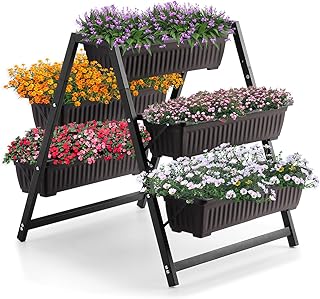
Raised Garden Planter Bed, Tiered Planter Stand with 5 Boxes, 25″ Long*3…
4. Gravel Paths and Native Plantings
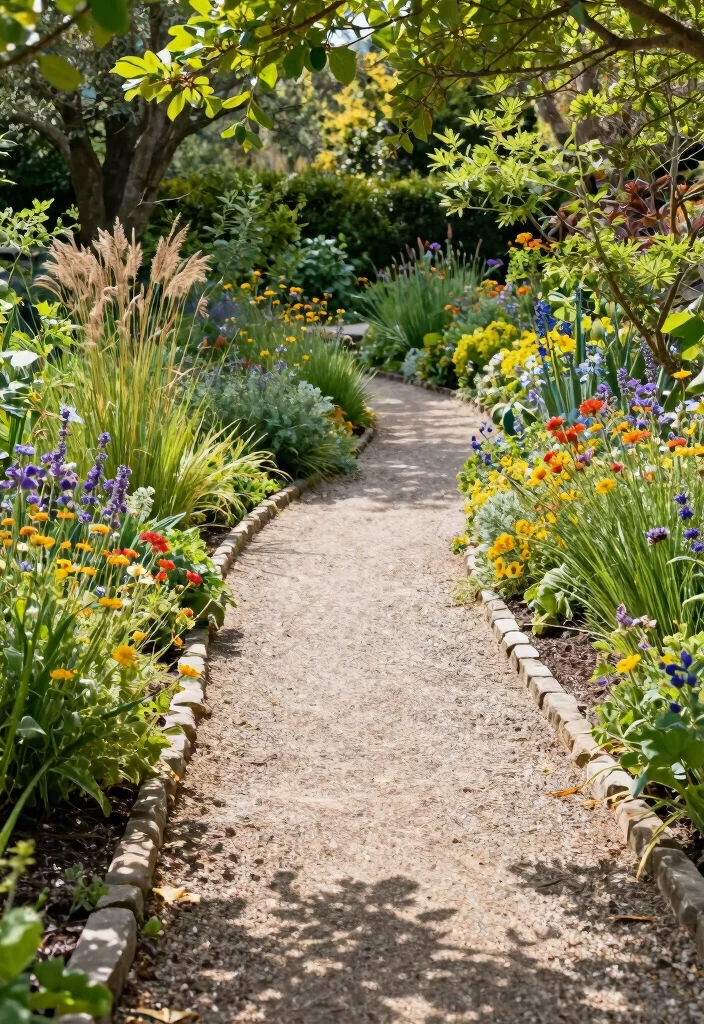
Gravel paths are an ideal solution for sloped yards, offering durable walkways without heavy construction. When paired with native plantings, they create a stunning and low-maintenance landscape. Native plants thrive in local conditions, making them easier to care for and beneficial to local wildlife.
To create your gravel path, outline the area with garden edging or natural stones. Excavate the path to a depth of about three to four inches, then lay down landscape fabric to prevent weeds before adding gravel. Choose and plant native species along the path to enhance its natural beauty.
Steps to create your gravel path:
– Outline the path with garden edging or stones
– Excavate to a depth of 3-4 inches
– Lay landscape fabric to block weeds and add gravel
– Select native plants to beautify the edges
This combination not only elevates your property’s aesthetic but also supports local ecosystems.
Did you know gravel paths with native plantings can reduce maintenance by up to 40% on uphill backyard ideas? Pair edging with native species to boost local wildlife and simplify care. Practical tip: outline the path, dig 3-4 inches, and lay landscape fabric to curb weeds.
Gravel Paths and Native Plantings
Editor’s Choice
Price updated on December 15, 2025 at 9:50 AM

6ftx180ft Weed Barrier Landscape Fabric Heavy Duty, Premium 3.2oz Weed B…

Landscape Edging, 1.5″ x 100′ Plastic Garden Edging with 120 Pcs Metal S…

Metal Landscape Edging 6-Pack, Galvanized Steel Garden Edging – 40″ L x …

Suncast 20 Piece Plastic Border Stone Edging with Modern Style and Natur…

Native Plant Seeds for Planting 24 Variety Pack – Perennial & Annual Nor…
5. Incorporating Water Features
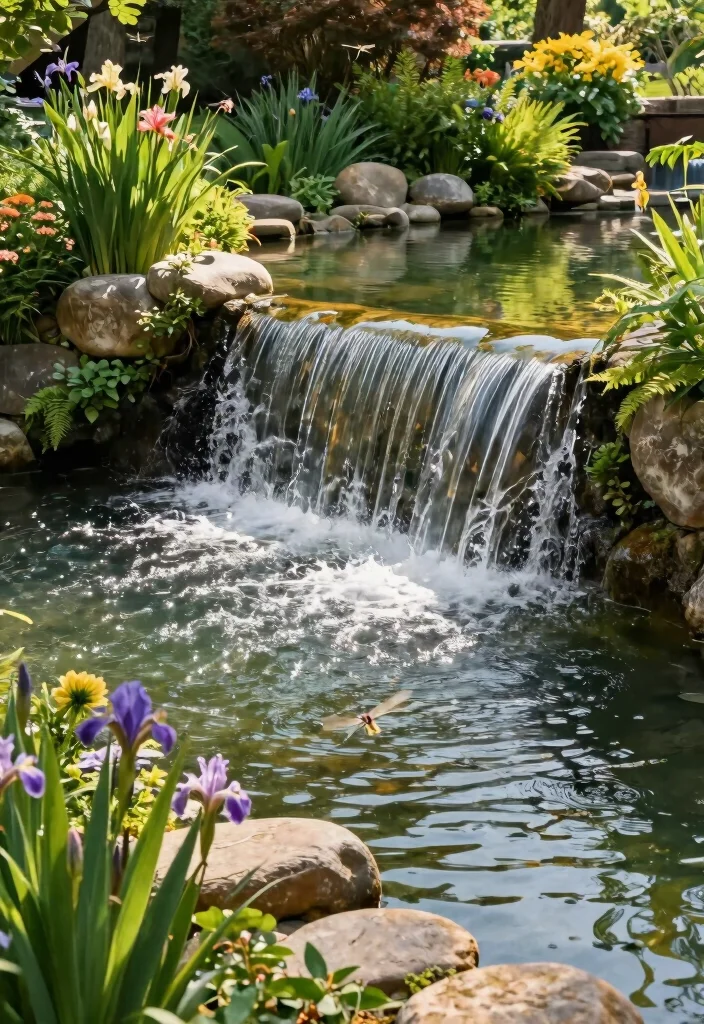
Enhancing your sloped backyard with a water feature can transform it into a tranquil oasis. Waterfalls, ponds, or rain gardens add serene sounds and attract wildlife, while also helping with erosion control by absorbing rainwater.
When planning your water feature, pick the best location considering the slope, sunlight, and visibility. Decide on the type of water feature that fits your landscape, ensuring proper installation with adequate drainage. Surround it with moisture-loving plants for added beauty.
Steps to incorporate a water feature:
– Identify the ideal location based on your yard’s layout
– Choose a water feature that complements your design
– Ensure proper drainage and installation
– Select plants that thrive in moist conditions around the feature
A water feature will not only beautify your backyard but also create a peaceful, harmonious environment.
Incorporating Water Features
Editor’s Choice
Price updated on December 15, 2025 at 9:51 AM

Aquagarden No Dig Nature Pool, Complete Water Feature Kit, Attract Birds…

Aquascape DIY Ecosystem Backyard Pond Kit, 8-feet x 11-feet | 99765

Aquascape Backyard Waterfall Fountain Kit for Landscape and Garden | 830…
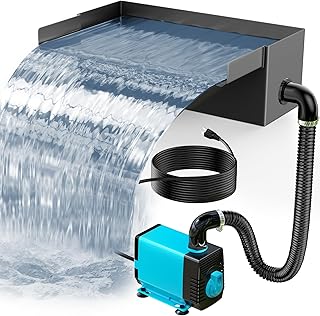
POPOSOAP Pond Waterfall Box with Pump Kit, 11.8inch 304 Stainless Steel …
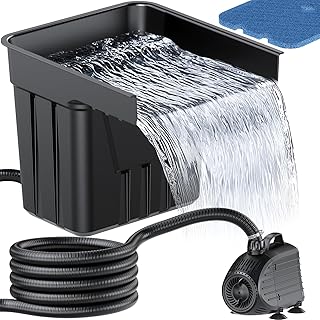
POPOSOAP Pond Waterfall Spillway Kit with 1200GPH Pond Pump & 10 Ft Corr…
6. Outdoor Living Areas with Views
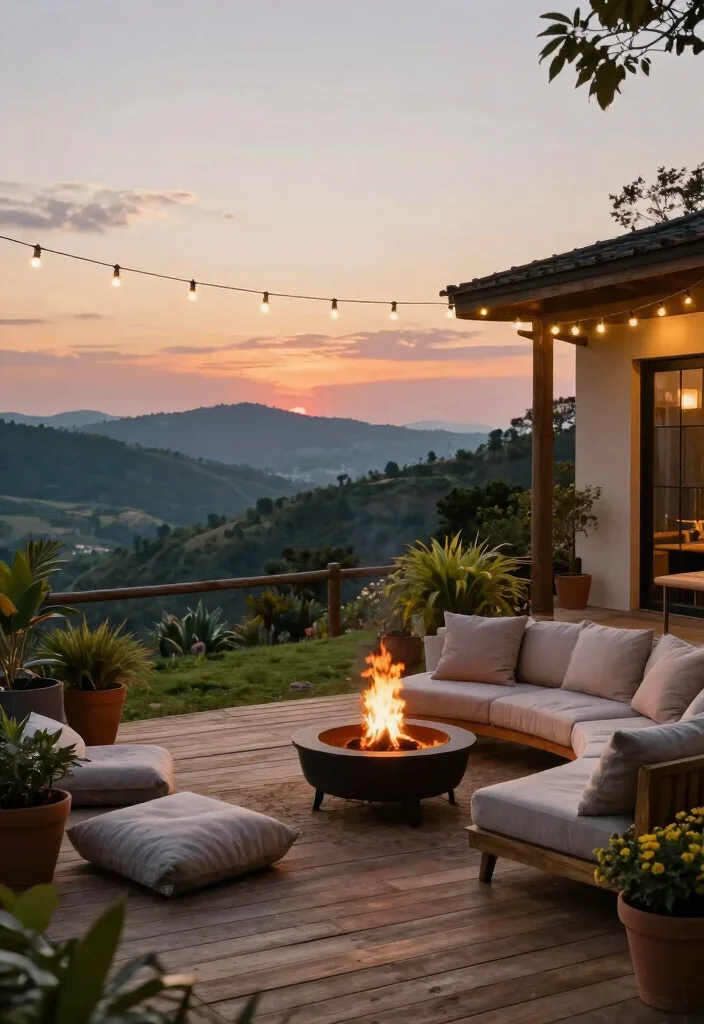
Transforming your uphill backyard into an outdoor living space can be incredibly rewarding. By creating areas for relaxation and entertainment, you can soak in the stunning views around you.
Decks, patios, or simple seating areas can be strategically placed to maximize your panoramic views. Begin by choosing materials that blend with your landscape, such as wood or stone. Design the layout to take full advantage of your views while ensuring stability on sloped ground. Incorporate comfortable seating and shade options, like umbrellas or pergolas, and add lighting for evening enjoyment.
How to create your outdoor oasis:
– Choose materials that harmonize with your yard
– Design the layout for optimal views and stability
– Incorporate comfy seating and shade solutions
– Add lighting for ambiance during the evenings
A well-thought-out outdoor living area will make your sloped yard a spectacular setting for gatherings or quiet evenings.
Outdoor Living Areas with Views
Editor’s Choice
Price updated on December 15, 2025 at 9:51 AM

Best Choice Products 3-Piece Outdoor Wicker Conversation Bistro Set, Spa…

FDW Wicker Outdoor Furniture Patio Furniture Set of 3 Rattan Patio Chair…

Devoko Patio Furniture Set Outdoor 3 Pieces Wicker Swivel Rocking Chairs…

Flamaker 3 Pieces Outdoor Patio Wicker Furniture Set, Modern Rattan Chai…

Nestl Zero Gravity Chairs Set of 2, Patio Lounge Chair Outdoor with Pill…
7. Vertical Gardening Solutions
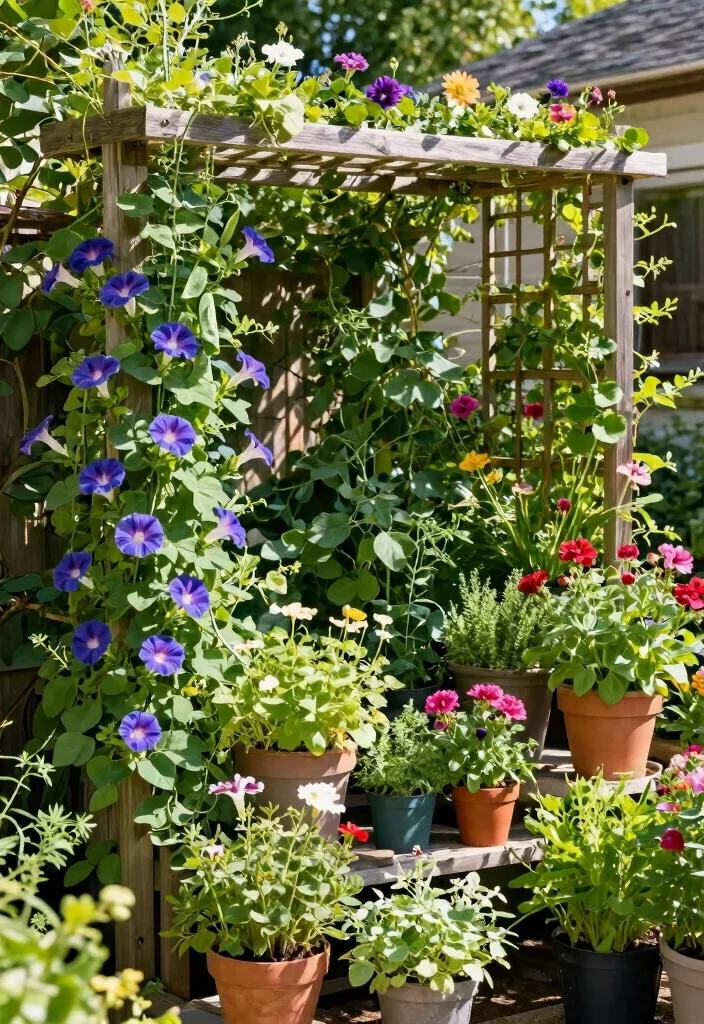
If your sloped yard is short on space, vertical gardening can be a game-changer. This method allows you to grow a variety of plants, from flowers to vegetables, in a compact manner while adding visual interest. Vertical structures can range from simple trellises to creative wall-mounted planters.
Consider these vertical gardening ideas: Utilize fence panels or trellises to support climbing plants. Install wall planters for herbs or flowers, adding greenery to walls and fences. Tiered planters can be used for different levels of plants, maximizing space and creating depth. You can also use recycled materials like pallets or old ladders for unique vertical garden designs.
Ideas for vertical gardening:
– Use trellises to support climbing plants
– Install wall planters for herbs or decorative flowers
– Create tiered planters for varied plant levels
– Repurpose materials like pallets for creative vertical gardens
Vertical gardens not only save space but also bring a lively charm to your sloped yard.
Vertical Gardening Solutions
Editor’s Choice
Price updated on December 15, 2025 at 9:51 AM

VECELO 5 Tier Vertical Garden Planter, Self Watering Stackable Planters …

VECELO 5 Tier Vertical Garden Planter, Self Watering Stackable Planters …

Umigy 2 Set 5 Tier Stackable Planters Vertical Garden Planters for Straw…
5-Tier Vertical Garden Tower Stackable Planter for Strawberries, Flowers…

VIVOSUN 5 Tier Vertical Gardening Stackable Planter for Strawberries, Fl…
8. Low-Maintenance Xeriscaping
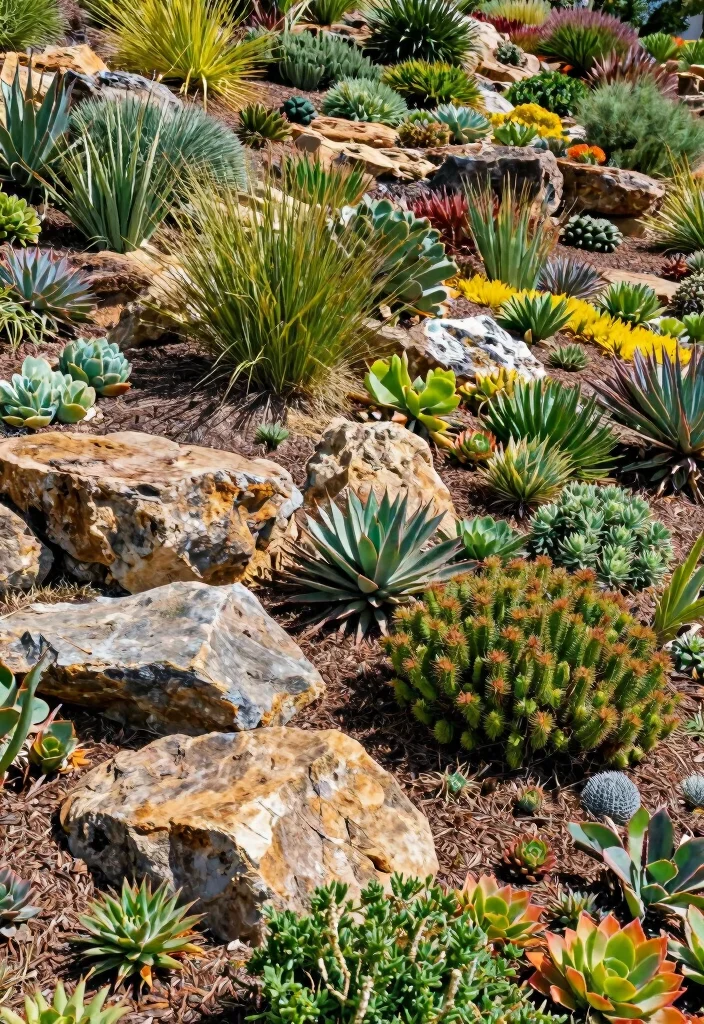
For those who want to reduce yard upkeep, low-maintenance xeriscaping is a brilliant choice for sloped backyards. This method utilizes drought-resistant plants, minimizing the need for frequent watering and maintenance. It’s especially beneficial in areas prone to erosion, as it employs plants that naturally stabilize the soil.
To implement xeriscaping, start by selecting native and drought-tolerant plants that thrive in your area. Group plants according to their water needs to enhance efficiency. Add rocks or mulch around your plants to retain moisture and suppress weeds, and design the layout to create natural drainage paths to direct water flow during heavy rains.
Steps for successful xeriscaping:
– Choose native, drought-tolerant plants for your area
– Group plants by water needs for better efficiency
– Use rocks or mulch around plants to conserve moisture
– Design natural drainage paths to guide water flow
A xeriscaped yard is not only beautiful but also environmentally friendly, providing you with a stunning landscape that requires minimal effort.
Low-Maintenance Xeriscaping
Editor’s Choice
Price updated on December 15, 2025 at 9:51 AM

Nature’s Way Farms Agave Quadricolor Live Plant (12-15 in. Tall) in Grow…

Salvia Mexican Sage Plants | 3 Live Seedlings | Salvia leucantha | Velve…

Variegated Flax Lily I 1 Large Gallon Size Plant I Dianella Tasmanica I …

Blue Rug Juniper Wiltonii | 10 Live Plants | Juniperus Horizontalis | Cr…

40lbs Natural River Rocks, 3″-4″ Premium Pebbles for Garden and Landscap…
9. Cozy Fire Pit Areas
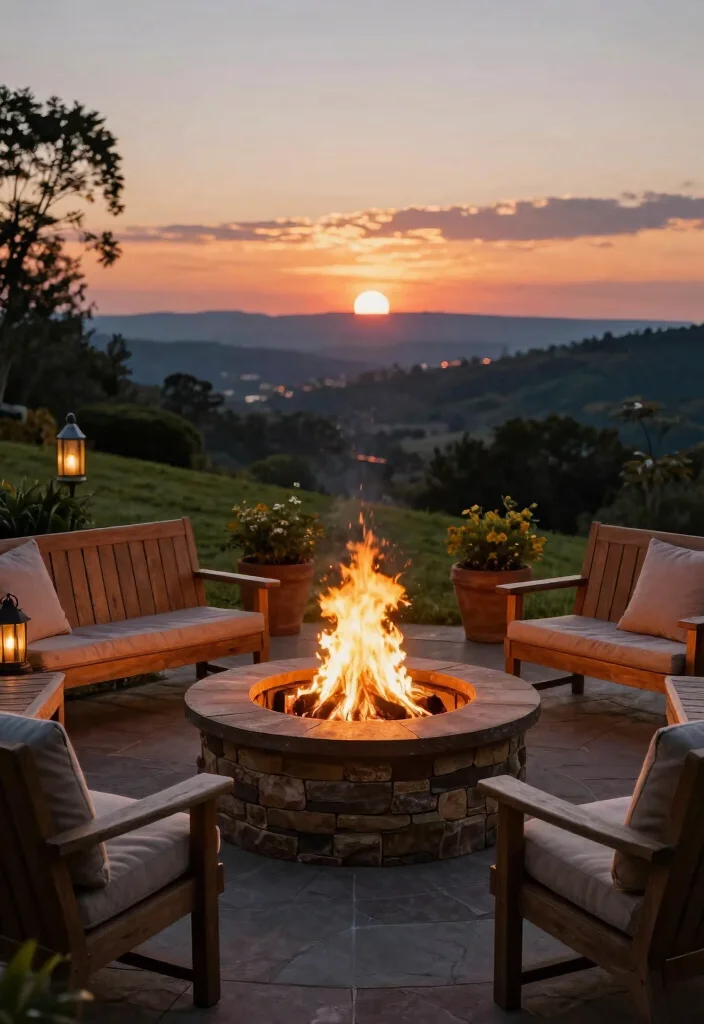
Establishing a cozy fire pit area can elevate your sloped yard, making it a captivating gathering space. Fire pits provide warmth and charm, perfect for enjoying evenings outdoors. Positioning your fire pit on a slope can enhance the views while creating an inviting atmosphere.
Start by selecting a safe, level area that’s slightly away from flammable materials. Build a seating area with natural stone or comfortable outdoor furniture, and surround the fire pit with gravel or pavers for safety and aesthetics. Enhance the ambiance with lighting, such as lanterns, to create a magical evening atmosphere.
How to set up your fire pit area:
– Choose a safe, level area away from flammable items
– Create a seating area with stone or comfy furniture
– Surround the fire pit with gravel or pavers for safety
– Add ambient lighting like lanterns for evening charm
With a fire pit in your sloped backyard, you’ll create lasting memories surrounded by warmth and stunning views.
Cozy fire pits are one of the best uphill backyard ideas—they draw people in and make slopes feel welcoming. Keep the area level, add natural stone seating, and finish with gravel for drainage; warmth and views will spark conversations.
Cozy Fire Pit Areas
Editor’s Choice
Price updated on December 15, 2025 at 9:51 AM

42 Inch Outdoor Fire Pit with Grill, Large Firepit Table for Outside, Me…

Sunnydaze Cosmic 42-Inch Large Outdoor Fire Pit – Wood-Burning Fire Pit …

Sunnydaze Crossweave Outdoor Fire Pit – Wood-Burning Fire Pit for Outsid…

Fire Pit – 32-Inch Outdoor Wood Burning Firepit with Screen, Poker, and …

Endless Summer WAD15121MT Brushed Copper Wood Burning Outdoor Firebowl
10. Engaging Children’s Play Areas
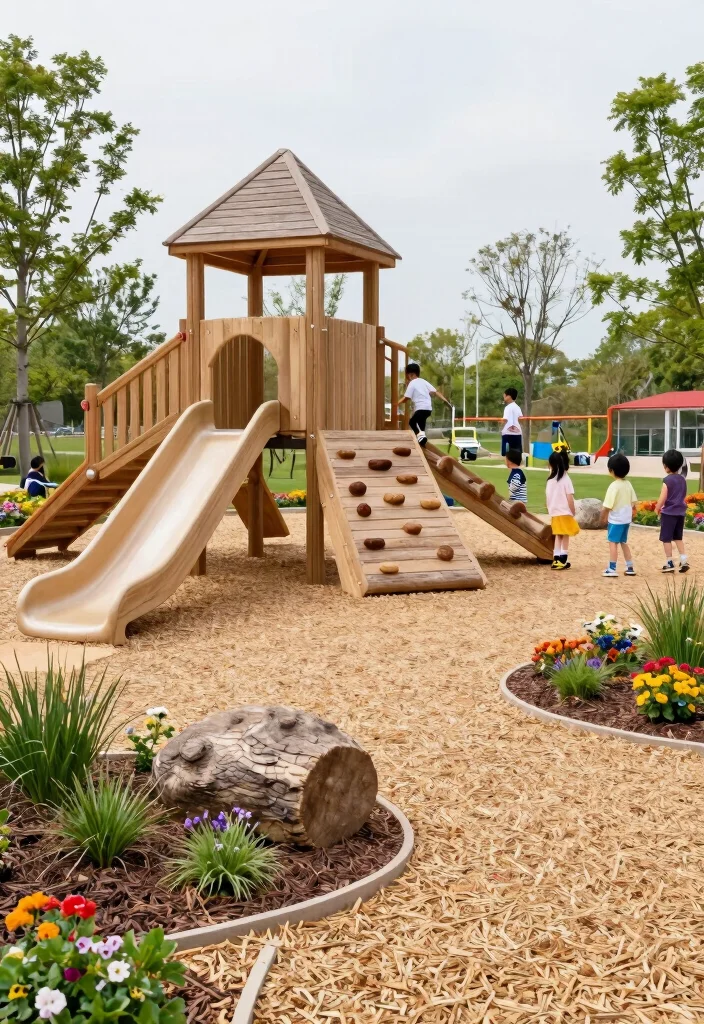
Don’t overlook the little ones! Designing a play area in your uphill backyard can provide a safe and exciting space for children to enjoy the outdoors. The slope can be ideal for creative play structures—think slides, climbing walls, or a treehouse that takes advantage of the elevation.
To create a fantastic children’s play area, incorporate natural elements like logs or boulders for climbing and exploration. Design pathways leading to various play stations, inviting adventure. Use soft landscaping materials like wood chips or artificial turf to ensure safety during playtime. Include sensory plants that kids can touch and smell, enhancing their connection to nature.
Ideas for creating a children’s play area:
– Incorporate natural climbing elements like logs or boulders
– Design pathways to different play stations for exploration
– Use soft materials for safe play surfaces
– Include sensory plants to engage children’s senses
A well-designed play area will turn your sloped backyard into a joyful haven for children, encouraging creativity and outdoor fun.
Engaging Children’s Play Areas
Editor’s Choice
Price updated on December 15, 2025 at 9:52 AM
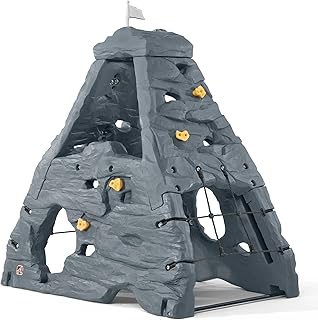
Step2 Skyward Summit for Kids, Climbing Wall Playset for Toddlers, Ages …

edxeducation Step-a-Trail | Logs | Set of 3 Balance Logs | Ages 18m+ | O…

ECR4Kids SoftZone Tree Log Climber Set, Balance Builders, Chocolate, 4-P…

Gardenature 10FT Climbing Dome with Hammock, Outdoor Jungle Gym for Kids…

SSBRIGHT Tree Climbers, Set of 15 Climbing Holds/Steps for Kids’ Outdoor…
Conclusion
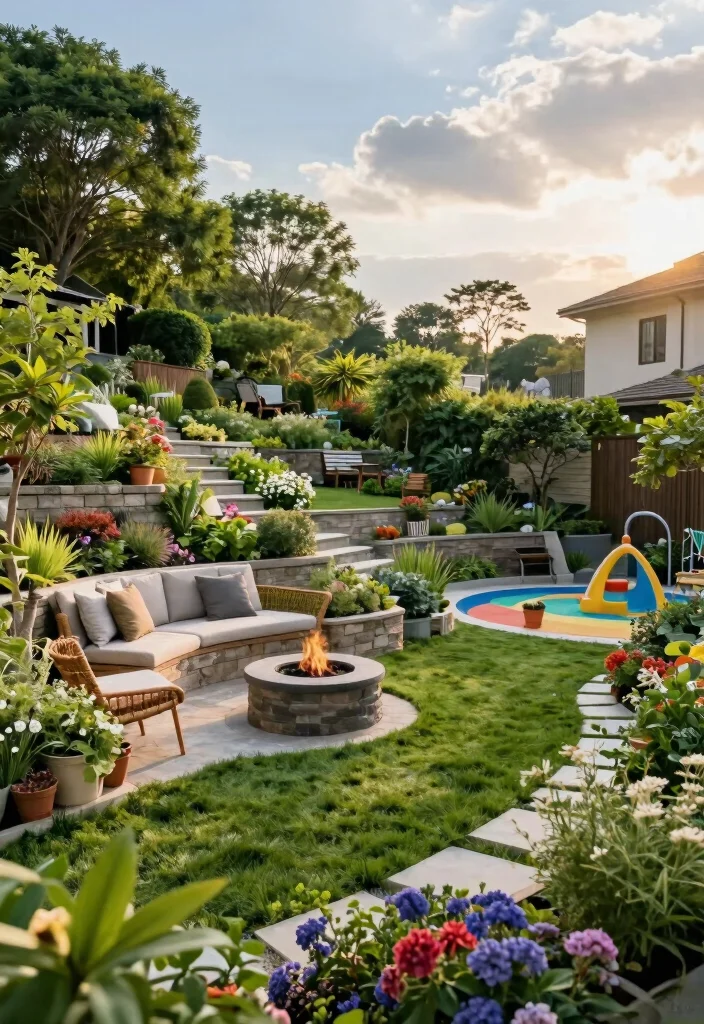
Transforming a sloped yard into a stunning outdoor space doesn’t have to be daunting.
With these ten uphill backyard ideas, you can create sustainable, beautiful, and functional landscapes that you and your family will love. Whether it’s incorporating terraced gardens, cozy fire pits, or engaging children’s play areas, your uphill backyard can be a thriving oasis. Embrace the natural beauty of your landscape and let your creativity flow!
Note: We aim to provide accurate product links, but some may occasionally expire or become unavailable. If this happens, please search directly on Amazon for the product or a suitable alternative.
This post contains Amazon affiliate links, meaning we may earn a small commission if you purchase through our links, at no extra cost to you.
Frequently Asked Questions
What are some uphill backyard ideas to maximize space and curb appeal in a sloped yard?
Start with a quick site check—slope angle, drainage paths, and sun exposure set your plan. For uphill backyard ideas, build a series of level terraces with proper drainage so soil doesn’t wash away. Use retaining walls (stone, timber, or concrete) to create horizontal planting shelves, then add steps or a winding path to connect zones. Plant with a mix of structure (shrubs), color (perennials), and groundcovers to hold soil. Include a small seating nook or a focal water feature to boost curb appeal. Finish with a drip irrigation system and organic mulch to conserve moisture. This approach blends sloped yard landscaping with practical erosion control and eye-catching design.
How can I implement erosion control techniques on a sloped yard while creating creative outdoor spaces?
Begin with a plan to slow and spread runoff. Contour your slope to create shallow swales and use check dams to break the fall. Build terraces that capture soil and water, then cover bare soil with mulch and deep-rooted groundcovers. Install a drip irrigation system to keep plants hydrated with minimal water. Choose creative outdoor spaces like a hillside seating nook, a narrow herb terrace, or a rock-and-plant staircase to make the slope usable. Select erosion-resistant planting combinations such as native grasses, creeping thyme, and periwinkle. Keep maintenance simple by mulching and grouping plants with similar water needs.
Which plants and groundcovers are best for sloped yard landscaping and hillside garden design?
For sloped yard landscaping, select plants with strong root systems that stabilize soil. Opt for deep-rooted perennials, grasses, and low-growing groundcovers. In full sun, try lavender, creeping sedum, purple fountain grass, and santolina. In partial shade, consider hostas, ferns, ajuga, and heuchera. Groundcovers like vinca minor (periwinkle), creeping thyme, and sedum spread to form a living mulch. Mulch heavily to retain moisture and reduce erosion. Include a mix of evergreen structure and seasonal color to support a long-lasting hillside garden design.
What are practical terraced garden ideas for slopes, and how do I build them safely?
Start with a site survey and plan terraces that are wide enough for planting and access (about 3–4 feet). Choose durable retaining wall materials (stone, timber, or concrete blocks) and install drainage behind each wall (weeping holes or perforated pipes). Build walls with proper footings to prevent tipping and anchor them with soil and shrubs on the upslope side. Backfill each terrace with amended soil and compost, then top with mulch. Create stepping stones or a brick path to connect levels and add a seating area. Plant the terraces with layered shrubs, perennials, and groundcovers tuned to sun and moisture. Finally, install an irrigation plan and mulch to minimize maintenance.
How can I design a sustainable hillside garden design that is low maintenance and creates creative outdoor spaces?
Focus on water-wise planting, native species, and reducing lawn. Use terraces to create microclimates and zones for seating, edible plants, and ornamental features. Collect rainwater with a barrel, install permeable paving to reduce runoff, and mulch to preserve moisture. Use vertical elements like a trellis or living wall to maximize space without heavy maintenance. Plan for year-round interest with evergreen textures, seasonal blooms, and a simple maintenance routine (annual pruning, seasonal clean-up, mulching). This approach yields creative outdoor spaces that are sustainable and easy to care for.
Related Topics
uphill backyard ideas
sloped yard landscaping
hillside garden design
terraced garden ideas
erosion control techniques
sustainable landscaping
creative outdoor spaces
beginner friendly
landscaping tips
easy DIY
seasonal gardens
outdoor design trends